

A fire risk assessment for landlords is a key part of managing fire safety in any rental property. Whether you own a single private dwelling or manage multiple residential buildings, understanding your legal obligation helps reduce fire risks and protect tenants from harm.
Many landlords now use fire risk assessment software to manage inspections, track fire safety arrangements and ensure their fire risk assessments are always up to date across different properties.
Quick answer: do landlords need a fire risk assessment?
Yes, in many situations a fire risk assessment is a legal requirement.
A landlord fire risk assessment is required for:
- Communal areas in residential buildings
- House in multiple occupation (HMO) properties and multi occupied residential buildings
- Buildings where there are shared escape routes
Even in a single private dwelling, landlords have a responsibility to manage fire risks and ensure fire safety measures are in place.
Under the regulatory reform fire safety framework and the fire safety order, the responsible person must carry out a fire risk assessment and review it regularly.
What is a fire risk assessment?
A fire risk assessment is a structured risk assessment process that identifies fire hazards, evaluates fire risks and outlines fire safety measures to reduce potential harm.
It involves:
- Identifying potential hazards such as electrical appliances and gas equipment
- Assessing who is at risk within the building
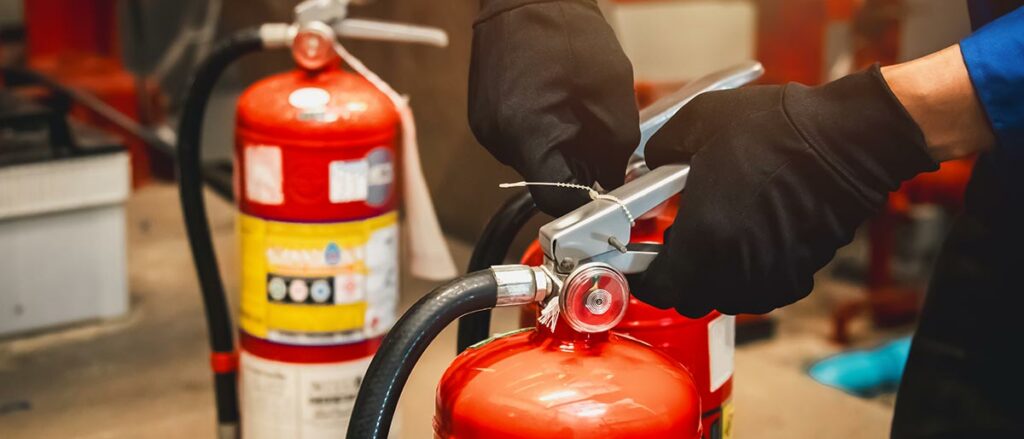
- Reviewing fire safety equipment such as smoke alarms and fire extinguishers
- Evaluating escape routes and evacuation procedures
The purpose is to minimise the likelihood of fires starting and to reduce the impact if they do occur. Managing fire risk assessments across multiple properties can become complex, which is why many landlords use dedicated risk assessment software to record findings, track actions and maintain compliance.
Fire risk assessment for landlords: legal requirements
A fire risk assessment for landlords is governed by several regulations in the UK.
Key legislation includes:
- Regulatory Reform (Fire Safety) Order 2005
- Fire Safety Act
- Housing Act
- Oversight from the building safety regulator
These laws establish the legal requirement for landlords and building owners to manage fire safety effectively.
When is it required?
A fire risk assessment is legally required in:
- HMO properties
- Multi occupied residential buildings
- Communal areas within residential buildings
For domestic properties that are a single private dwelling, the rules are less strict. But landlords still have responsibilities under housing and safety regulations.
Who is responsible for fire risk assessments?
The responsible person is legally accountable for fire safety.
This is typically:
- The landlord
- The building owner
- A managing agent acting on behalf of the owner
In higher risk buildings, a principal accountable person may also be involved.
The person responsible must:
- Carry out fire risk assessments
- Implement fire safety measures
- Maintain fire safety arrangements
- Record significant findings
- Review the risk assessment regularly
Common fire safety issues landlords overlook
Even when a fire risk assessment has been completed, landlords can overlook issues that increase the risk to tenants or lead to recommendations in the final report. Regular inspections and reviewing fire safety arrangements can help identify problems before they become more serious.
Some of the most common issues include:
- Fire doors that have been damaged, altered or do not close properly.
- Escape routes blocked by bicycles, bins, furniture or other stored items.
- Smoke alarms that have not been tested or maintained.
- Emergency lighting that is missing or no longer functions correctly.
- Electrical installations and portable appliances that have not been inspected where required.
- Poor record keeping, making it difficult to demonstrate that fire safety measures have been reviewed and maintained.
Using a digital fire risk assessment system can help landlords and property managers record findings, assign corrective actions and maintain an audit trail of completed work, making ongoing compliance significantly easier.
Fire risk assessment for HMOs and flats
A HMO fire risk assessment is essential due to the increased fire risks associated with shared living environments.
HMO properties require:
- Fire alarms throughout the building
- Properly maintained fire doors
- Safe and accessible escape routes
- Fire safety equipment such as fire blankets
A fire risk assessment HMO must also consider communal areas, shared kitchens and circulation spaces where fire risks are higher.
For flats, a fire risk assessment for flats is required where there are shared areas or multiple occupants.
What does a fire risk assessment cover?
A building fire risk assessment should assess all aspects of fire safety within a property.
Fire hazards and risks
- Electrical wiring, fuse boxes and electrical appliances provided
- Gas equipment and solid fuel burning appliances
- Storage of flammable materials
Fire safety equipment
- Smoke alarm placement and testing
- Carbon monoxide alarm requirements
- Fire extinguishers and fire blankets
Fire protection features
- Fire doors and flat entrance doors
- Fire resistant materials
- Fire stopping measures
Escape and evacuation
- Escape routes that landlords must maintain
- Emergency plans and evacuation plan
- Access for rescue services and fire brigade
Fire safety measures landlords must implement
The fire safety measures required will depend on the findings of the fire risk assessment and the type of property being managed. However, every landlord should ensure appropriate precautions are in place to reduce the likelihood of a fire and help occupants evacuate safely if one occurs.
This typically includes installing smoke alarms on each storey of the property, providing carbon monoxide alarms where legally required and ensuring fire doors are correctly fitted and maintained. Escape routes should remain clear at all times, while any fire safety equipment, such as fire extinguishers or fire blankets provided within the property, should be regularly inspected and maintained.
Landlords are also responsible for ensuring that electrical installations are safe, gas appliances are inspected by a Gas Safe registered engineer and any issues identified during inspections are addressed promptly. Taking a proactive approach to fire safety helps protect tenants while demonstrating compliance with current fire safety legislation.
Fire safety in communal areas
Communal areas present a higher level of fire risk because they are used by multiple occupants and often form part of the building’s escape route. Hallways, stairwells, shared entrances and corridors should remain free from obstructions at all times to allow occupants to leave the building safely in the event of a fire.
Landlords and managing agents should also ensure that communal fire doors close correctly, fire alarm systems are regularly tested and emergency lighting is maintained where required. Any defects identified during inspections should be recorded and addressed promptly to help maintain compliance with fire safety legislation.
Regular inspections of communal areas make it easier to identify potential hazards before they become serious issues, particularly in HMOs and multi-occupied residential buildings where the risk to occupants is generally higher.
Common fire risks in rental properties
Understanding common fire risks helps landlords take proactive action.
Typical fire risks include:
- Electrical fires caused by faulty wiring
- Fires starting from unattended appliances
- Gas-related issues due to poorly maintained systems
- Blocked or unsafe escape routes
- Lack of adequate fire safety equipment
Identifying these potential hazards early helps prevent fire and reduce damage.
How often should fire risk assessments be reviewed?
A key question is how often should fire risk assessments be reviewed UK.
General guidance:
- Review annually at minimum
- Review after significant changes
- Review after fire safety issues or incidents
A fire risk assessment must remain up to date. If the building changes or new risks are introduced, it must be reviewed.
Fire safety equipment and maintenance
Maintaining fire safety equipment is essential for compliance.
Landlords should regularly check:
- Smoke alarm functionality
- Carbon monoxide alarm operation
- Fire extinguishers condition
- Fire blankets availability
Annual checks should be carried out to ensure all safety equipment is working correctly.
Gas and electrical safety responsibilities
Gas safety and electrical safety are critical components of fire safety.
Landlords must:
- Ensure gas equipment is regularly inspected
- Use a gas safe registered engineer for checks
- Maintain electrical wiring and fuse boxes
- Ensure electrical appliances provided are safe
Faulty systems are a leading cause of electrical fires, making regular inspection essential.
Higher risk buildings and additional requirements
Higher risk buildings are subject to stricter fire safety regulations.
These include:
- Tall residential buildings
- Buildings with complex layouts
- Properties with vulnerable occupants
Additional oversight may come from the building safety regulator, and landlords must meet enhanced fire safety provisions.
Keeping your fire risk assessment up to date
Completing a fire risk assessment is not a one-off task. To remain compliant, landlords should review their assessment regularly and whenever there are significant changes to the property, its occupancy or the fire safety measures in place.
For example, a review may be needed after refurbishment work, changes to communal areas, the installation of new fire safety equipment or following a fire-related incident. Keeping assessments up to date helps ensure new hazards are identified promptly and any recommendations from previous inspections have been completed.
Many landlords use digital fire risk assessment software to maintain accurate records, monitor corrective actions and store previous assessments in one place. This makes it easier to demonstrate compliance during inspections while ensuring fire safety arrangements remain effective across every property.
Using structured fire risk assessment templates ensures consistency and helps landlords manage multiple properties efficiently.
What happens during a fire risk assessment?
A fire risk assessment is more than a simple checklist. The assessor will inspect the property to identify fire hazards, evaluate the level of risk to occupants and recommend any improvements needed to comply with fire safety legislation.
During a typical fire risk assessment, the assessor will review:
- Fire detection and alarm systems.
- Emergency lighting where required.
- Escape routes and final exits.
- Fire doors and compartmentation.
- Fire extinguishers and other fire safety equipment.
- Electrical installations and any obvious ignition sources.
- Housekeeping standards and combustible materials.
- Existing fire safety records and previous assessment reports.
Once the inspection is complete, you’ll receive a report outlining the findings, the level of risk and any recommended actions. Higher-risk issues should be addressed as soon as possible, while lower-priority improvements can normally be planned over time. Reviewing the assessment regularly also helps ensure it remains accurate if the building, occupancy or fire safety arrangements change.
Using software to manage fire safety
Managing fire safety across multiple rented properties can be complex.
Digital tools, such as fire safety software, help landlords:
- Track inspections and maintenance
- Manage fire safety arrangements
- Maintain compliance with fire safety regulations
- Store records for audits and inspections
This is especially useful for landlords managing HMO properties or large portfolios.
Key responsibilities for landlords
To summarise, landlords must:
- Carry out a fire risk assessment where required
- Identify fire hazards and reduce fire risks
- Install and maintain fire safety equipment
- Ensure escape routes are safe and accessible
- Comply with fire safety regulations
- Review risk assessments regularly
Failure to meet these responsibilities can result in enforcement action from local authorities or the local council.
When does a landlord need a fire risk assessment?
Whether a landlord needs a fire risk assessment depends on the type of property they own and how it is occupied.
For example, if you rent out a single house to one family, the Fire Safety Order will not usually require a formal fire risk assessment. However, you must still meet your legal responsibilities by installing the correct smoke alarms, maintaining fire safety measures and ensuring the property remains safe.
If you own an HMO, a block of flats with communal areas or another multi-occupied residential building, a fire risk assessment is typically required for the shared parts of the property. The assessment should identify potential fire hazards, evaluate the level of risk and recommend any actions needed to protect residents.
Understanding which properties require a fire risk assessment helps landlords remain compliant while providing a safer environment for tenants.
Final thoughts
A fire risk assessment for landlords is not just about meeting legal requirements. It is about protecting tenants, properties and lives.
Whether managing domestic properties, HMO properties or larger residential buildings, landlords must take a proactive approach to fire safety. Regular reviews, proper maintenance and clear fire safety arrangements help ensure compliance and reduce fire risks.
By staying consistent and using the right processes and tools, landlords can maintain safe, compliant rental property environments and avoid serious fire safety issues.
Fire Risk Assessment For Landlords FAQs
Is a fire risk assessment a legal requirement for landlords?
Yes, in most cases. A fire risk assessment is a legal requirement for communal areas, HMOs and multi occupied residential buildings under UK fire safety regulations.
Who is responsible for fire risk assessments in a rental property?
The responsible person is usually the landlord, building owner or managing agent. They must ensure fire safety measures are in place and risk assessments are reviewed regularly.
How often should fire risk assessments be reviewed UK?
There is no fixed timeframe, but they should be reviewed at least annually and whenever there are significant changes to the building or its use.
What does a fire risk assessment do?
It identifies fire hazards, evaluates fire risks and outlines fire safety measures to reduce the likelihood of fire and protect occupants.
Do landlords need a fire risk assessment for a single private dwelling?
It is not always legally required, but landlords still have a duty to manage fire risks and ensure fire safety in rented properties.
Who can carry out a fire risk assessment?
A competent person can carry it out. For complex or higher risk buildings, using a professional risk assessor is recommended.