
Legionella is a serious concern in commercial buildings, residential properties, healthcare settings and any other premises with complex water systems. Understanding how long to run water to prevent Legionella is an important part of maintaining safe hot and cold water supplies and reducing the risk of harmful bacteria developing within pipework, tanks and outlets.
Effective Legionella control relies on several measures, including temperature control, regular monitoring, maintenance, disinfection and flushing. Many organisations now use Legionella risk assessment software to help manage inspections, record keeping and compliance requirements.
Why does Legionella develop in water systems?
Legionella bacteria occur naturally in water but become a problem when conditions allow them to multiply. Water systems can create a perfect environment for bacterial growth if water remains unused for long periods or temperatures are not properly controlled.
Legionella bacteria multiply in water temperatures between 20°C and 45°C, with the most rapid growth occurring around 37°C. This temperature range allows bacteria to thrive and spread throughout a system.
Stagnant water presents a significant risk because disinfectant levels can fall while nutrients accumulate. Dead legs, low flow pipework, infrequently used outlets and poorly maintained cold water storage tanks can all contribute to Legionella growth.
Poor maintenance of water systems may also allow sediment, algae, corrosion and biofilms to build up. These materials provide nutrients that encourage bacteria growth and increase the likelihood of contamination.
How long should you flush water to prevent Legionella?
The recommended duration for flushing water outlets is generally between two and five minutes.
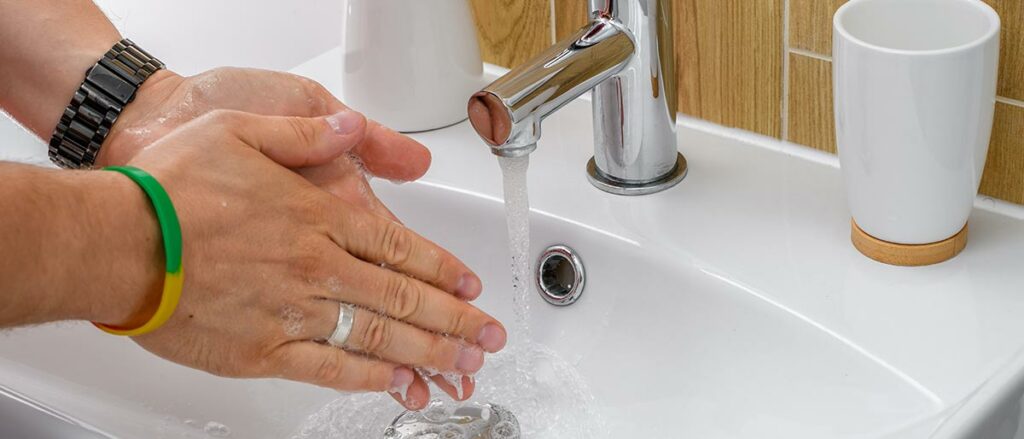
Routine flushing should occur for any tap, shower or outlet used less than once a week. The purpose is to remove stagnant water and replace it with fresh water from the main system.
As a general rule:
- Flush taps for 2 to 5 minutes
- Flush showers for 2 to 5 minutes
- Flush infrequently used outlets weekly
- Flush until stable water temperatures are reached
- Flush low flow pipework and dead legs regularly
Each tap and water outlet should be flushed until stable temperature readings are achieved. Many Legionella control programmes recommend flushing for at least five minutes where practical, particularly following periods of low occupancy.
Weekly flushing is particularly important in buildings with infrequently used outlets, holiday accommodation, schools during holidays, offices with hybrid working arrangements and vacant properties.
Why flushing helps control Legionella
Flushing helps control Legionella by removing stagnant water and replacing it with fresh water from the wider system. This reduces bacterial growth and prevents conditions where bacteria multiply.
Legionella is contracted by breathing in tiny droplets of contaminated water. These droplets can be generated by taps and showers, cooling systems, air conditioning equipment and other water outlets.
When water remains stationary for several weeks, disinfectant levels can decline while temperatures move into the range where Legionella thrives. Regular flushing helps maintain water quality and reduces this risk.
A properly managed flush programme also helps maintain flow throughout the system and prevents sections of pipework becoming unused.
Temperature control and Legionella prevention
Temperature control remains one of the most effective methods used to control Legionella.
To prevent Legionella growth:
- Hot water should be stored above 60°C
- Hot water should be distributed above 50°C
- Cold water should be stored below 20°C
- Cold water systems should remain below 20°C wherever possible
Water systems should be designed to maintain hot and cold water temperatures outside the range where Legionella bacteria multiply.
Regular monitoring of water temperatures helps identify potential problems before they develop into significant health risks.
For example, if a cold water storage tank consistently records temperatures above 20°C, further investigation may be required to identify insulation issues or poor circulation.
Similarly, hot water systems that fail to achieve target temperatures may require maintenance, balancing or disinfection.
Common risk areas within water systems
Certain areas of a system present a higher risk than others.
These include:
- Dead legs
- Cold water storage tanks
- Hot water tanks
- Low flow pipework
- Flexible hoses
- Rarely used taps
- Showers
- Other water outlets
Dead legs are sections of pipe where water sits unused. These areas often become breeding grounds for bacteria because there is little movement through the system.
Cold water systems can also present a risk if tanks are poorly insulated or exposed to heat sources.
Regular maintenance and monitoring help identify these issues early.
Legal responsibilities for Legionella control
Under Approved Code of Practice (ACoP) L8 and supporting HSG274 guidance, duty holders such as landlords, employers and property managers must manage the risk associated with Legionella bacteria.
A suitable risk assessment should identify potential hazards and establish suitable control measures.
Businesses responsible for building occupants should implement appropriate Legionella control procedures and maintain evidence of compliance.
For landlords seeking guidance, this detailed guide on landlords Legionella risk assessments explains legal responsibilities and best practice requirements.
Failure to manage the risk can lead to enforcement action from the Health and Safety Executive and potentially expose residents, employees and visitors to serious health risks.
The importance of monitoring and record keeping
Effective water management programs depend on good record keeping.
A flushing log should record:
- Date of flushing
- Time of flushing
- Water temperatures
- Outlet location
- Maintenance actions
- Disinfection activities
This information demonstrates that water systems are being actively managed.
Monitoring should also include periodic inspections of tanks, pipework, components and outlets.
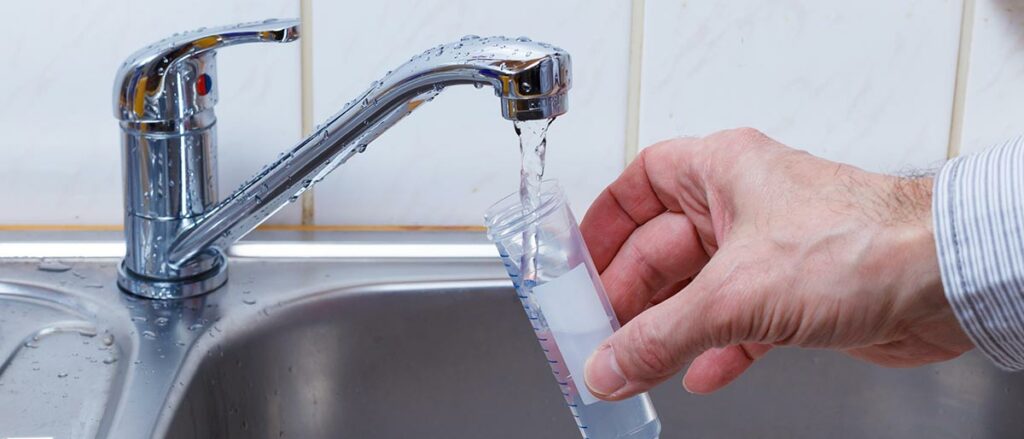
Some organisations also undertake Legionella testing to verify that control measures remain effective. Understanding the costs associated with Legionella testing can help businesses budget appropriately.
Additional Legionella control measures
Flushing should form part of a wider Legionella control strategy.
Other measures may include:
- Chlorine dioxide treatment
- Thermal disinfection
- Cleaning cold water storage tanks
- Removing dead legs
- Descaling showers
- Cleaning tap nozzles
- Regular maintenance
- Water sampling
Disinfection helps reduce bacteria levels within the system, while maintenance ensures components continue operating correctly.
Showerheads and taps should be cleaned and disinfected at least quarterly to remove scale and prevent bacterial growth.
Healthcare settings, care homes and hospital environments often require enhanced monitoring because occupants may be more vulnerable to disease.
Using software to manage Legionella compliance
Managing multiple water systems manually can become challenging, especially across large property portfolios.
Many organisations now use the best Legionella software to schedule inspections, record flushing activities, manage monitoring programmes and track corrective actions.
Digital systems can help ensure maintenance activities are completed regularly while providing an auditable history of compliance.
This improves safety, simplifies reporting and supports ongoing Legionella control efforts.
Conclusion
Knowing how long to run water to prevent Legionella is a simple but important part of managing water systems safely. Most guidance recommends flushing taps, showers and other water outlets for between two and five minutes, particularly where outlets are infrequently used.
Combined with temperature control, monitoring, maintenance, disinfection and regular risk assessments, flushing helps reduce the conditions that allow Legionella bacteria to thrive. By maintaining hot and cold water systems correctly and keeping accurate records, organisations can protect building occupants and reduce the risk of Legionnaires’ disease.
FAQs
How long should you run water to prevent Legionella?
Most guidance recommends flushing taps, showers, and other water outlets for between two and five minutes. Weekly flushing should be carried out for outlets used less than once a week.
What temperature kills Legionella bacteria?
Hot water should be stored above 60°C and distributed above 50°C. Cold water should be stored and distributed below 20°C. Maintaining these temperatures helps control Legionella and prevent bacteria growth.
Why is stagnant water a problem?
Stagnant water allows bacteria to multiply, disinfectant levels to decline and biofilms to develop. This creates ideal conditions for Legionella growth.
How often should taps and showers be flushed?
Taps and showers that are not used regularly should be flushed at least weekly. Toilets should also be flushed at least twice a week to circulate fresh water through the cistern and associated pipework.
How does Legionnaires’ disease spread?
Legionnaires’ disease is spread through breathing in microscopic droplets of contaminated water. An aerosol generated from showers, taps, air conditioning systems and other water outlets can carry Legionella bacteria into the lungs.
What should be included in a Legionella monitoring programme?
A monitoring programme should include risk assessment reviews, temperature checks, flushing records, inspections of tanks and components, maintenance activities, disinfection procedures, and periodic water sampling where required.