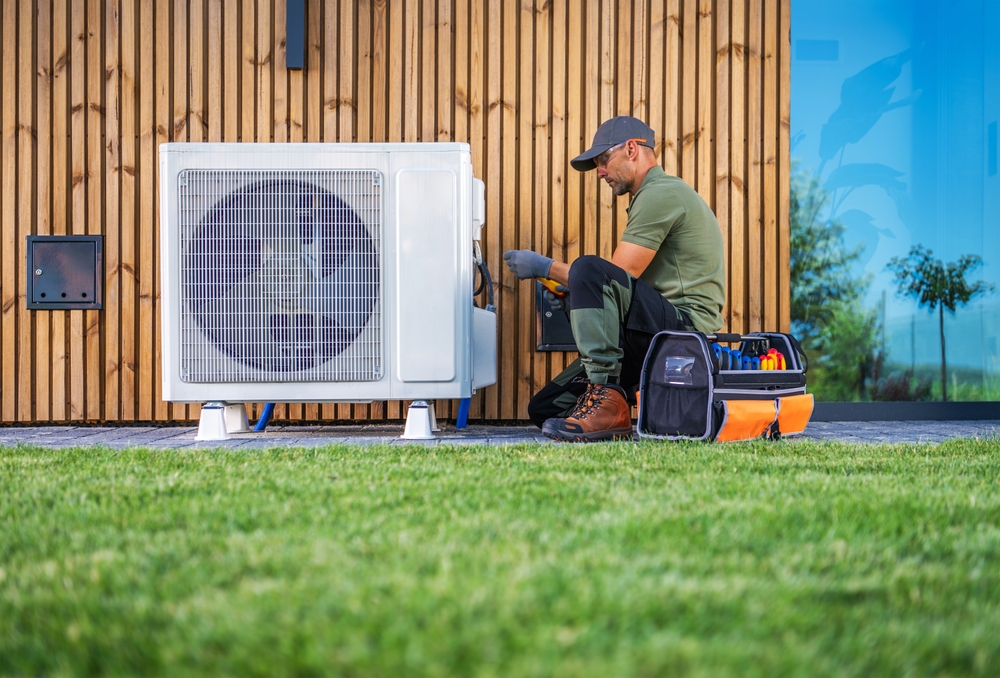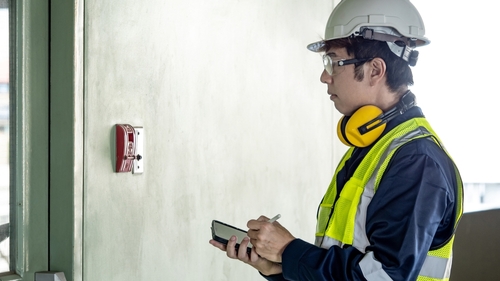


Regular HVAC maintenance is essential for maintaining comfort, energy efficiency, and indoor air quality in any facility. Whether you’re managing a commercial building or overseeing residential property upkeep, implementing a consistent HVAC preventive maintenance plan helps avoid costly breakdowns and ensures your systems perform at their best all year round.
This guide covers the full HVAC maintenance checklist, key components to inspect, and how preventive maintenance reduces energy costs and supports long-term performance.
What Is HVAC Preventive Maintenance?
HVAC preventive maintenance refers to the routine servicing and inspection of heating, ventilation, and air conditioning systems. It includes checking HVAC equipment for wear, cleaning critical components, replacing air filters, and ensuring all parts are operating efficiently.
A well-executed maintenance plan helps maintain indoor air quality, reduce health problems caused by airborne contaminants, and extend the lifespan of your HVAC system.
Benefits of Regular HVAC Maintenance
Routine HVAC maintenance software implementation offers significant long-term advantages for property owners, facilities managers, and tenants alike:
- Lower energy bills – Clean coils, efficient motors, and fresh filters reduce energy consumption by helping your system run more efficiently.
- Improved indoor air quality – Removing dust, mould, and debris from ducts and filters improves airflow and reduces airborne pollutants.
- Fewer health risks – By reducing allergens and pathogens in the air, preventive maintenance supports healthier living and working environments, especially for those with asthma or allergies.
- Extended system lifespan – Regular tune-ups prevent wear and tear, allowing HVAC equipment—from heat pumps to air conditioners—to operate reliably for years beyond the typical lifespan.
- Enhanced year-round comfort – Whether in peak summer heat or winter cold, a well-maintained system provides consistent temperature and humidity control.
- Reduced emergency repairs – Identifying small issues before they escalate helps avoid expensive, last-minute breakdowns and system downtime.
- Environmental benefits – Efficient systems produce fewer carbon emissions and align with green building standards and sustainability goals.
HVAC Preventive Maintenance Checklist
Use this HVAC maintenance checklist to guide your facility or building maintenance routines. Performing tasks bi-annually—ideally in spring and autumn—keeps systems prepared for seasonal demands.
1. Replace or Clean Air Filters
Replacing air filters is one of the simplest yet most critical HVAC maintenance tasks. Dirty filters reduce airflow, strain the system, and compromise air quality.
- Check filters monthly
- Replace or clean every 1–3 months
- Use high-efficiency filters for spaces prone to airborne contaminants or allergic reactions
2. Inspect and Clean Condenser Coils and Evaporator Coils
Dust and debris on coils reduce cooling efficiency and can lead to overheating.
- Clean condenser coils on the outdoor unit
- Check evaporator coils indoors
- Remove dirt, leaves, and debris
3. Check Refrigerant Levels
Incorrect refrigerant levels can reduce cooling performance and damage your air conditioning system.
- Test refrigerant charge
- Inspect for leaks
- Recharge if necessary
4. Lubricate Moving Parts
Lack of lubrication can lead to friction, wear, and increased maintenance costs.
- Lubricate fan blades, motors, and bearings
- Check for signs of wear or grinding noises
5. Tighten Electrical Connections
Loose electrical connections can lead to abnormal noises, system failure, or even fire hazards.
- Check voltage and current
- Inspect wiring, terminals, and connections
- Replace damaged wires
6. Test Thermostat and System Starts
A properly functioning thermostat is key to HVAC system performance.
- Verify thermostat settings
- Test heating and cooling system starts
- Calibrate if needed
7. Inspect Heat Exchangers and Gas Lines
Gas leaks and cracked heat exchangers can be dangerous.
- Inspect heat exchanger for cracks
- Test for gas leaks
- Clean burner assemblies
8. Clean and Inspect Ductwork and Ventilation Systems
Blocked or leaky ducts reduce efficiency and worsen air quality.
- Check duct sealing
- Clean out dust and debris
- Ensure proper ventilation
9. Check and Clear Drain Lines
Clogged drain lines can cause water leaks and humidity issues.
- Flush condensate drains
- Check for mould or bacterial growth
- Ensure proper drainage
10. Review System Performance
Assess the overall performance of your HVAC unit to identify issues before they become major problems.
- Track energy consumption
- Monitor airflow and temperature consistency
- Update your maintenance checklist digitally
How Digital Checklists Help You Stay Ahead
Modern HVAC technicians use digital checklists and CMMS software to streamline preventive maintenance. These tools allow you to:
- Set reminders for bi-annual tune-ups
- Track completed tasks across multiple systems
- Log issues like abnormal noises or declining performance
- Reduce manual paperwork and stay compliant
Regular HVAC maintenance is essential for maintaining comfort, energy efficiency, and indoor air quality in any facility. Whether you’re managing a commercial building or overseeing residential property upkeep, implementing a consistent HVAC preventive maintenance plan helps avoid costly breakdowns and ensures your systems perform at their best all year round.
This guide covers the full HVAC maintenance checklist, key components to inspect, and how preventive maintenance reduces energy costs and supports long-term performance.
What Is HVAC Preventive Maintenance?
HVAC preventive maintenance refers to the routine servicing and inspection of heating, ventilation, and air conditioning systems. It includes checking HVAC equipment for wear, cleaning critical components, replacing air filters, and ensuring all parts are operating efficiently.
A well-executed maintenance plan helps maintain indoor air quality, reduce health problems caused by airborne contaminants, and extend the lifespan of your HVAC system.
Benefits of Regular HVAC Maintenance
Routine HVAC preventive maintenance offers significant long-term advantages for property owners, facilities managers, and tenants alike:
- Lower energy bills – Clean coils, efficient motors, and fresh filters reduce energy consumption by helping your system run more efficiently.
- Improved indoor air quality – Removing dust, mould, and debris from ducts and filters improves airflow and reduces airborne pollutants.
- Fewer health risks – By reducing allergens and pathogens in the air, preventive maintenance supports healthier living and working environments, especially for those with asthma or allergies.
- Extended system lifespan – Regular tune-ups prevent wear and tear, allowing HVAC equipment—from heat pumps to air conditioners—to operate reliably for years beyond the typical lifespan.
- Enhanced year-round comfort – Whether in peak summer heat or winter cold, a well-maintained system provides consistent temperature and humidity control.
- Reduced emergency repairs – Identifying small issues before they escalate helps avoid expensive, last-minute breakdowns and system downtime.
- Environmental benefits – Efficient systems produce fewer carbon emissions and align with green building standards and sustainability goals.
HVAC Preventive Maintenance Checklist
Use this HVAC maintenance checklist to guide your facility or building maintenance routines. Performing tasks bi-annually—ideally in spring and autumn—keeps systems prepared for seasonal demands.
1. Replace or Clean Air Filters
Replacing air filters is one of the simplest yet most critical HVAC maintenance tasks. Dirty filters reduce airflow, strain the system, and compromise air quality.
- Check filters monthly
- Replace or clean every 1–3 months
- Use high-efficiency filters for spaces prone to airborne contaminants or allergic reactions
2. Inspect and Clean Condenser Coils and Evaporator Coils
Dust and debris on coils reduce cooling efficiency and can lead to overheating.
- Clean condenser coils on the outdoor unit
- Check evaporator coils indoors
- Remove dirt, leaves, and debris
3. Check Refrigerant Levels
Incorrect refrigerant levels can reduce cooling performance and damage your air conditioning system.
- Test refrigerant charge
- Inspect for leaks
- Recharge if necessary
4. Lubricate Moving Parts
Lack of lubrication can lead to friction, wear, and increased maintenance costs.
- Lubricate fan blades, motors, and bearings
- Check for signs of wear or grinding noises
5. Tighten Electrical Connections
Loose electrical connections can lead to abnormal noises, system failure, or even fire hazards.
- Check voltage and current
- Inspect wiring, terminals, and connections
- Replace damaged wires
6. Test Thermostat and System Starts
A properly functioning thermostat is key to HVAC system performance.
- Verify thermostat settings
- Test heating and cooling system starts
- Calibrate if needed
7. Inspect Heat Exchangers and Gas Lines
Gas leaks and cracked heat exchangers can be dangerous.
- Inspect heat exchanger for cracks
- Test for gas leaks
- Clean burner assemblies
8. Clean and Inspect Ductwork and Ventilation Systems
Blocked or leaky ducts reduce efficiency and worsen air quality.
- Check duct sealing
- Clean out dust and debris
- Ensure proper ventilation
9. Check and Clear Drain Lines
Clogged drain lines can cause water leaks and humidity issues.
- Flush condensate drains
- Check for mould or bacterial growth
- Ensure proper drainage
10. Review System Performance
Assess the overall performance of your HVAC unit to identify issues before they become major problems.
- Track energy consumption
- Monitor airflow and temperature consistency
- Update your maintenance checklist digitally
How Digital Checklists Help You Stay Ahead
Modern HVAC technicians use digital checklists and CMMS software to streamline preventive maintenance. These tools allow you to:
- Set reminders for bi-annual tune-ups
- Track completed tasks across multiple systems
- Log issues like abnormal noises or declining performance
- Reduce manual paperwork and stay compliant
HVAC Maintenance Checklist
To help get you started, we’ve created a free HVAC maintenance checklist template, available by submitting your name and email. The template includes space to record routine inspection checks, asset details and job completion, supporting your HVAC maintenance operations and improving inspection accuracy
Note: This is an example of a HVAC maintenance checklist and may not cover all equipment, safety or regulatory requirements. Always follow official documentation and consult qualified personnel before performing maintenance checks.
Ditch Paper HVAC Checklists
Stop chasing paperwork and managing inspections manually. With Velappity, complete HVAC checks on-site, keep records organised and stay compliant without the admin.
Cut admin time, reduce errors and make inspections easier across every site.