

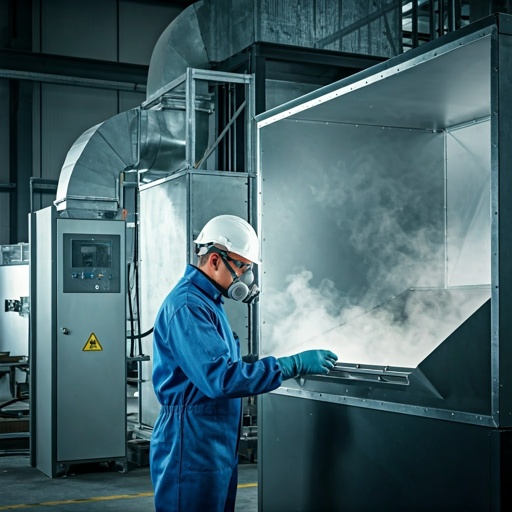
Local exhaust ventilation (LEV) systems play a critical role in protecting employees from airborne contaminants, harmful substances and dangerous workplace emissions. Across industries such as manufacturing, welding, engineering, woodworking, pharmaceuticals and construction, LEV systems help control exposure to hazardous substances before they can spread into the wider working environment.
LEV testing is not only important for maintaining a safe workplace but is also a legal requirement under COSHH regulations. Employers must ensure local exhaust ventilation systems remain in efficient working order and continue functioning correctly through regular LEV testing, inspections and maintenance.
Businesses using digital compliance tools alongside processes such as risk assessment software can improve visibility across inspections, compliance workflows, corrective actions and audit-ready reporting.
This guide explains how local exhaust ventilation systems work, why LEV testing matters, what employers are legally responsible for and how businesses can manage LEV inspections more effectively.
What Is Local Exhaust Ventilation (LEV)?
Local exhaust ventilation is a control system designed to capture contaminated air before employees inhale it. An LEV system extracts airborne contaminants directly at the source, helping businesses control exposure to hazardous substances and maintain adequate control measures in the workplace.
Local exhaust ventilation systems are commonly used where processes generate:
- Welding fume
- Dust particles
- Oil mist
- Smoke
- Vapours
- Chemical emissions
- Fine airborne contaminants
A typical LEV system includes extraction hoods, ducting, filters and extraction systems that remove harmful substances from workplace air before they can spread throughout a building.
The Health and Safety Executive states that local exhaust ventilation LEV systems should capture contaminated air as close to the source as possible. Effective LEV systems help protect workers by reducing exposure to substances hazardous to health while supporting HSE compliance.
LEV equipment is commonly used in:
- Engineering workshops
- Manufacturing facilities
- Automotive repair centres
- Pharmaceutical environments
- Laboratories
- Construction sites
- Food production facilities
- Schools and colleges with workshops
- Woodworking businesses
- Industrial processing sites
Without properly maintained exhaust ventilation systems, employees may be exposed to harmful substances that contribute to serious health risks including asthma, silicosis, chronic obstructive pulmonary disease and occupational cancers.
Why LEV Testing Is Important
LEV testing ensures a lev system continues operating effectively and remains capable of controlling hazardous substances in the workplace. Over time, extraction systems can deteriorate, filters may become blocked and components may fail, meaning contaminants are no longer being adequately controlled.
Regular LEV testing helps businesses:
- Protect workers from airborne contaminants
- Maintain HSE compliance
- Meet COSHH regulations
- Reduce workplace exposure risks
- Improve working environment conditions
- Identify faults before systems fail
- Maintain efficient working order
- Reduce production downtime
- Improve workplace health and safety standards
Regular testing is especially important in environments where substances hazardous to health are generated daily. LEV systems that are not functioning correctly may fail to control exposure effectively, increasing the likelihood of illness and operational disruption.
According to industry estimates, approximately 12,000 workers in the UK die each year from past exposure to airborne contaminants at work. This highlights why regular LEV testing and adequate control measures remain essential across many sectors.
Effective LEV systems also support wider business operations. Cleaner workplace air can improve employee comfort, concentration and productivity while reducing cleaning requirements caused by dust and contaminated air.
LEV systems are often more efficient than general dilution ventilation because they capture harmful substances directly at the source rather than attempting to remove contaminants from the wider working environment.
COSHH Regulations & HSE Requirements
LEV testing is a legal requirement under the Control of Substances Hazardous to Health Regulations. COSHH regulations require employers to assess and control exposure to hazardous substances and ensure local exhaust ventilation systems remain effective.
Under COSHH Regulation 9, businesses using local exhaust ventilation systems must arrange a thorough examination and test at least once every 14 months.
The Health and Safety Executive requires employers to ensure LEV systems:
- Remain in efficient working order
- Are in good repair
- Continue functioning correctly
- Provide adequate control
- Effectively control exposure to hazardous substances
HSE regulations also state that more frequent testing may be required depending on the working environment, wear and tear, system usage and the type of hazardous substances being extracted.
Employers must also maintain accurate records of LEV examinations, inspections and maintenance for at least five years.
Using systems such as COSHH assessment software can help businesses manage hazardous substances, inspections, compliance records and corrective actions more effectively across multiple sites.
Failure to comply with HSE guidelines may lead to:
- Enforcement action
- Improvement notices
- Operational disruption
- Increased employee health risks
- Regulatory penalties
- Insurance complications
For businesses operating LEV equipment, compliance should be viewed as an ongoing process rather than a one-off inspection.
What Happens During an LEV Inspection?
A lev inspection involves a detailed and systematic examination of the entire LEV system to determine whether it is functioning correctly and continuing to provide adequate control.
During local exhaust ventilation testing, a competent person will normally assess:
- Extraction hoods
- Ducting
- Fans
- Filters
- Airflow indicators
- Extraction systems
- Pressure measurements
- Static pressure
- Volume flow rate readings
- Control measures
- Overall system performance
A visual examination is carried out to identify damage, leaks, wear, blockages and potential faults.
The inspection process may also include:
- Smoke testing
- Airflow measurements
- System performance analysis
- Face velocity testing
- Contaminant capture checks
- Filter assessments
- Operational reviews
Following the examination, businesses should receive a test report outlining:
- Inspection findings
- Performance results
- System deficiencies
- Improvement recommendations
- Corrective actions required
- Confirmation of whether the system remains effective LEV equipment
Where required, a commissioning report may also be reviewed to compare original system performance against current operating conditions.
If the lev system fails testing, businesses may need to arrange repairs, system upgrades or operational changes to restore adequate control.
How Often Should LEV Systems Be Tested?
In most cases, annual LEV testing or testing at least every 14 months is required under COSHH regulations.
However, more frequent testing may be necessary depending on:
- The type of hazardous substances present
- Different processes being carried out
- System usage levels
- Dust or fume volumes
- Working environment conditions
- Wear and tear
- HSE standards
- Industry standards
High-risk environments involving welding fume, oil mist, chemicals or fine dust may require regular inspection and more frequent testing to ensure effective LEV performance.
Businesses should never assume a lev system remains effective without proper examinations and monitoring. Even systems that originally performed well can deteriorate over time due to blocked filters, damaged ducting, faulty fans or poor maintenance.
Regular LEV testing reduces the risk of system failures that may interrupt production or place workers at risk.
Who Can Carry Out LEV Testing?
LEV testing must be completed by a competent person with the necessary professional qualifications, experience and technical knowledge.
The Health and Safety Executive defines a competent person as someone who possesses the skills, training, knowledge and experience required to perform the task safely and effectively.
Qualified engineers carrying out lev examinations often hold BOHS qualifications such as:
- P601
- P602
- P604
These qualifications focus on the thorough examination and test of local exhaust ventilation systems and wider management of workplace exposure risks.
Competency is essential because testing effective LEV systems requires detailed understanding of:
- Airflow performance
- Pressure measurements
- Hazardous substances
- Extraction system design
- COSHH regulations
- HSE compliance
- Workplace exposure limits
Businesses should ensure any lev testing services provider can demonstrate suitable qualifications, industry experience and understanding of current health regulations.
Common LEV System Issues
LEV systems can develop faults over time that reduce effectiveness and increase workplace exposure risks.
Common issues identified during lev testing include:
- Blocked filters
- Damaged ducting
- Fan failures
- Poor airflow
- Broken extraction hoods
- Incorrect system setup
- Inadequate maintenance
- Air leaks
- Poor extraction performance
- Reduced volume flow rates
When a lev system is not functioning correctly, airborne contaminants may spread throughout the workplace air and expose workers to harmful substances.
If systems are not maintained in efficient working order, businesses may face:
- Increased employee illness
- Compliance breaches
- Production disruption
- Equipment damage
- Operational downtime
- Increased cleaning costs
- Higher maintenance costs
LEV protects machinery and extraction systems by preventing particulate buildup that can damage equipment and interrupt business operations.
Effective LEV systems help businesses maintain a cleaner working environment while reducing exposure to hazardous substances.
Benefits Of Effective LEV Systems
Businesses investing in effective local exhaust ventilation systems benefit from improved workplace safety, operational efficiency and regulatory compliance.
LEV systems help:
- Control exposure to harmful substances
- Protect workers from airborne contaminants
- Improve workplace air quality
- Reduce occupational disease risks
- Support safe workplace conditions
- Improve employee wellbeing
- Reduce cleaning requirements
- Minimise downtime
- Support HSE compliance
- Maintain adequate control measures
Effective LEV systems also contribute to better indoor air quality, which can improve employee concentration, reduce absenteeism and support overall productivity.
Compared to general exhaust ventilation approaches, local exhaust systems are more targeted and efficient because they remove contaminated air directly at the source.
LEV systems are designed to capture, contain and treat contaminated air before dangerous particles can enter an employee’s breathing zone.
This is particularly important where workplaces generate:
- Dust
- Welding fume
- Oil mist
- Smoke
- Vapours
- Chemical emissions
- Fine particulate matter
By reducing workplace exposure, businesses can better protect workers while improving long-term operational performance.
Managing LEV Inspections Digitally
As businesses manage increasing compliance responsibilities across multiple systems and sites, many organisations are moving away from paper-based records and spreadsheets.
Digital inspection workflows allow businesses to manage lev inspections, records and corrective actions more efficiently.
Using platforms alongside inspection software helps organisations centralise safety documentation, inspection schedules and compliance reporting.
Businesses managing LEV inspections digitally can improve:
- Inspection tracking
- Corrective action management
- Audit preparation
- Compliance reporting
- Record keeping
- Workflow visibility
- Team accountability
- Site inspections
- Operational consistency
Digital systems also help maintain an accessible lev logbook containing:
- Inspection history
- Test report documentation
- Maintenance records
- Improvement recommendations
- Corrective actions
- Company details
- System performance notes
For businesses operating across multiple locations, digital workflows can simplify regular inspection processes while helping ensure systems remain adequately controlled.
Rather than relying on disconnected paperwork, businesses can maintain centralised audit-ready records that support HSE compliance and wider health and safety objectives.
Why LEV Compliance Matters
LEV compliance is not simply about passing inspections. It forms part of a broader responsibility to protect workers, maintain safe workplace conditions and reduce exposure to hazardous substances.
Employers have a legal responsibility to ensure workplace control measures remain effective and continue protecting employees from harmful airborne contaminants.
Where effective LEV systems are not in place, workers may face exposure to:
- Toxic dust
- Chemical vapours
- Welding fume
- Oil mist
- Biological contaminants
- Smoke particles
These risks can contribute to serious long-term health conditions affecting employees and business operations.
Regular LEV testing helps businesses identify issues early, maintain efficient working order and support compliance with COSHH regulations and HSE standards.
For many businesses, LEV compliance also supports:
- Insurance requirements
- Contractor management
- Health and safety audits
- Workplace safety initiatives
- Operational continuity
- Employee wellbeing strategies
By maintaining effective lev systems and accurate records, organisations can demonstrate proactive health and safety management while reducing operational risk.
Final Thoughts
Local exhaust ventilation systems play a vital role in protecting workers, maintaining HSE compliance and controlling exposure to hazardous substances across many industries.
Through regular LEV testing, inspections and maintenance, businesses can ensure systems remain functioning correctly while reducing operational risks and improving workplace safety.
As compliance requirements continue growing, many organisations are adopting digital inspection and compliance workflows to improve visibility, streamline record keeping and maintain audit-ready reporting across their lev systems.
By combining effective local exhaust ventilation systems with structured inspection management and compliance processes, businesses can create safer, healthier and more efficient working environments.
FAQs
What is local exhaust ventilation?
Local exhaust ventilation is a system designed to capture contaminated air, dust, fumes, vapours and harmful substances at the source before they spread throughout the workplace.
Is LEV testing a legal requirement?
Yes. Under HSE’s Control of Substances Hazardous to Health Regulations, Local Exhaust Ventilation testing is a legal requirement in the UK. LEV systems must undergo a thorough examination and test at least every 14 months.
Employing LEV systems is also recommended under COSHH regulations to help fulfil legal responsibilities and ensure hazardous substances are adequately controlled within the workplace.
LEV assists UK employers in meeting legal responsibilities under the Control of Substances Hazardous to Health Regulations while supporting safer workplace conditions.
How often should LEV systems be tested?
Most LEV systems require testing at least every 14 months. However, more frequent testing may be necessary depending on system usage, hazardous substances and workplace conditions.
Who can carry out LEV testing?
LEV testing should be completed by a competent person with suitable experience, technical knowledge and professional qualifications such as BOHS P601.
The Health and Safety Executive defines a competent person as someone who possesses a combination of training, skills, experience and knowledge necessary to perform a task safely.
Competent LEV engineers should hold multiple qualifications, including P601, P602 and P604, to ensure they have the necessary skills for effective testing and management of LEV systems.
Regular LEV testing must be conducted by a competent person to ensure compliance with HSE regulations, which require thorough examination and testing at least every 14 months.
LEV systems must be tested at least once every 14 months by a competent person, as mandated by the Control of Substances Hazardous to Health Regulations in the UK.
Why is LEV important?
LEV systems help control exposure to hazardous substances, protect workers from airborne contaminants and support compliance with HSE regulations and COSHH requirements. LEV systems offer health, legal and operational advantages over general dilution ventilation because contaminants are removed directly at the source.
LEV also reduces operational costs by lowering building cleaning requirements and minimising downtime caused by fouled equipment. Effective extraction systems protect machinery by preventing particulate buildup, which helps reduce maintenance costs and production downtime.
LEV protects against airborne biological infections by limiting cross-contamination and supports compliance with mandated Workplace Exposure Limits (WELs).
What records should employers keep?
Businesses should retain LEV test reports, inspection records, maintenance documentation and examination results for at least five years in line with HSE guidelines.
What industries require LEV systems?
LEV systems are commonly used in manufacturing, engineering, automotive, construction, woodworking, pharmaceuticals, laboratories and other environments where hazardous airborne substances are generated.