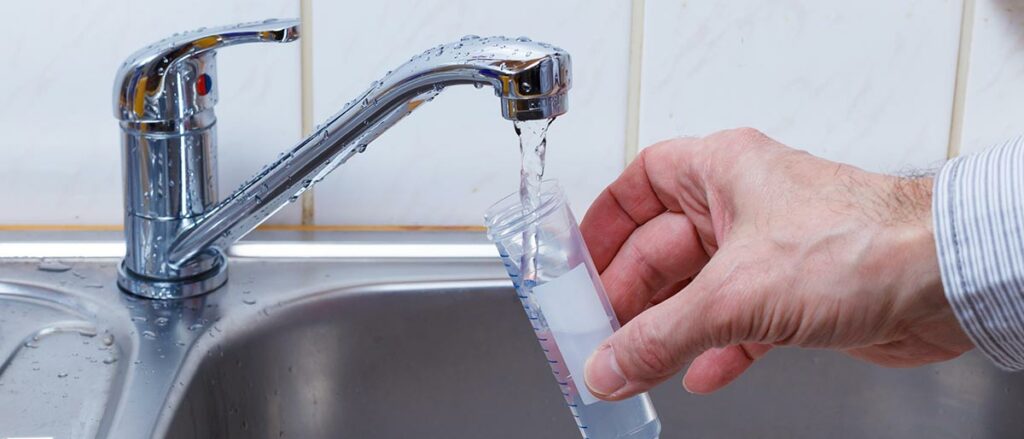

Legionella is a type of bacteria that can grow in man-made water systems and cause serious health problems when people inhale contaminated water droplets. While Legionella bacteria occur naturally in rivers, lakes and other freshwater environments, they generally become a risk when they multiply within artificial water systems such as cooling towers, hot tubs, shower heads, air conditioning systems and complex water systems.
The bacterium Legionella pneumophila is responsible for most cases of Legionnaires’ disease, a potentially life-threatening form of pneumonia. Because Legionella can develop in poorly maintained water systems, organisations have a legal responsibility to identify risks and implement appropriate control measures. Many businesses now use Legionella risk assessment software to manage inspections, monitor water systems and maintain compliance records.
Understanding what is Legionella, how Legionella bacteria spread and how to control Legionella is essential for protecting public health and maintaining water systems safety.
What is Legionella and where does it come from?
When people ask “what is Legionella?”, they are referring to a group of bacteria commonly found in natural water sources. However, Legionella bacteria become dangerous when they colonise water systems and multiply to levels that increase the risk of infection.
The most common form associated with human illness is Legionella pneumophila. This bacteria can survive within biofilms and microscopic organisms in water, allowing Legionella growing conditions to develop even when systems appear clean.
Legionella bacteria can multiply in water temperatures between 20°C and 45°C, with growth most rapid between 35°C and 45°C. When water remains stagnant for long periods, Legionella growth can increase rapidly. Dead-end pipework, little-used outlets and poorly maintained water systems can all create conditions that encourage bacteria to multiply.
The World Health Organization recognises Legionella as an important public health concern because Legionella outbreaks can occur in a wide range of settings, including hotels, offices, hospitals, leisure centres and residential buildings.
What is Legionnaires’ disease?
Legionnaires’ disease is a severe lung infection caused by inhaling contaminated water droplets that contain Legionella bacteria. It is a serious form of pneumonia caused by exposure to contaminated water and can lead to hospitalisation or death in vulnerable individuals.
Legionnaires’ disease is considered one of the most significant water-related infectious diseases. The infection affects the lungs and can cause serious complications, particularly among people with weakened immune systems.
According to public health data, about 1 in 10 people diagnosed with Legionnaires’ disease die from complications. The death rate can range from 5% to 30% depending on age, underlying health conditions and how quickly antibiotic treatment begins.
Untreated Legionnaires’ disease can result in severe pneumonia, lung failure and other potentially life threatening complications.
What are the symptoms of Legionnaires’ disease?
Symptoms of Legionnaires’ disease typically develop 2 to 10 days after exposure, although some cases have an incubation period of up to 14 days.
Common symptoms include:
- Fever
- Cough
- Muscle pain
- Muscle aches
- Headache
- Loss of appetite
- Fatigue
- Flu like illness
- Shortness of breath
As the infection progresses, pneumonia may develop and symptoms can become more severe.
Additional symptoms may include:
- Diarrhoea
- Confusion
- Chest pain
- Breathing difficulties
Laboratory tests are usually required to confirm a Legionella infection because symptoms can resemble other forms of pneumonia and community acquired pneumonia.
Prompt antibiotic treatment is essential to reduce the risk of serious complications and improve recovery outcomes.
What is Pontiac fever?
Pontiac fever is a mild illness caused by exposure to Legionella bacteria. Unlike Legionnaires’ disease, Pontiac fever does not develop into pneumonia and is generally less severe.
Symptoms often resemble a flu like illness and may include:
- Fever
- Headache
- Muscle pain
- Muscle aches
- Fatigue
Most healthy people recover without medical intervention. While Pontiac fever is a Legionella infection, it does not cause the severe lung infection associated with Legionnaires’ disease.
How does Legionella spread?
Legionella spreads when people inhale tiny droplets of water containing Legionella bacteria. These contaminated water droplets can become airborne and travel through buildings or outdoor environments.
Inhaling droplets generated from contaminated water is the most common route of infection. Infection can also occur through aspiration, where contaminated water enters the lungs accidentally.
Common sources include:
- Shower heads
- Hot tubs
- Whirlpool spas
- Spa pools
- Cooling towers
- Air conditioning systems
- Ice machines
- Sinks
- Hot springs
- Swimming pools
Most outbreaks occur when contaminated water is dispersed over a wide area and people are exposed to droplets of water carrying the bacteria.
Legionella is not generally spread from person to person.
Who is most at risk?
Although healthy people can develop Legionnaires’ disease, certain groups face a much higher risk of infection.
Key risk factors include:
- Adults over 50 years old
- Smokers
- People with weakened immune systems
- Cancer patients
- Organ transplant recipients
- Individuals with chronic respiratory conditions
- People with heart disease
Research shows that men are approximately three times more likely to develop Legionnaires’ disease than women.
People with chronic respiratory illnesses are at increased risk because existing lung damage can make it easier for infection to develop. Immunocompromised individuals also face a higher risk of severe illness and complications.
Where is Legionella commonly found?
Legionella bacteria are commonly associated with artificial water systems that allow water temperatures and conditions suitable for bacterial growth.
Examples include:
- Cooling towers
- Air conditioning systems
- Hot tubs
- Whirlpool spas
- Spa pools
- Cold water systems
- Hot water systems
- Shower heads
- Drinking water systems
- Ice machines
- Hot springs
Large buildings often contain complex water systems with multiple storage tanks, outlets and pipe networks. Without regular maintenance, these systems can create opportunities for Legionella growth.
Health care settings require particular attention because vulnerable individuals may be exposed to contaminated water through showers, sinks and medical equipment.
What causes Legionella growth?
Several factors contribute to Legionella growing within water systems.
These include:
Stagnant water
When water sits unused for long periods, bacteria can multiply rapidly. Dead-end pipes and infrequently used outlets increase the likelihood of bacterial growth.
Poor temperature control
Legionella can survive in water temperatures between 20°C and 50°C. Hot water should generally be maintained above 60°C, while cold water should remain below 20°C.
Biofilms
Legionella bacteria can survive within biofilms that develop on pipe surfaces. These protective layers make bacteria harder to remove.
Inadequate maintenance
A lack of cleaning, disinfection and monitoring increases the risk of contamination.
Ageing infrastructure
Older water systems may contain areas where bacteria can accumulate and multiply.
How common are Legionella outbreaks?
Legionella outbreaks occur worldwide and remain a significant public health issue.
The World Health Organization continues to monitor reported cases globally. In England, the incidence of Legionnaires’ disease during 2023 was approximately 1 case per 100,000 population.
Legionella is responsible for more than half of reported waterborne outbreaks in the United States. Most outbreaks are linked to poorly managed cooling towers, hot tubs and building water systems.
Because reported cases can be difficult to identify and diagnose, experts believe the true number of infections may be higher.
How can organisations control Legionella?
Preventing Legionnaires’ disease requires a proactive approach to water management and water system safety.
Effective control measures include:
- Conducting a risk assessment
- Implementing water management plans
- Monitoring temperatures
- Regular maintenance
- Flushing infrequently used outlets
- Removing redundant pipework
- Cleaning shower heads
- Disinfecting hot tubs
- Monitoring chlorine levels
- Using approved water treatment methods
Chlorine levels above 0.5 ppm can help control Legionella in some systems. Copper-silver ionisation is also recognised as an effective treatment option in certain environments.
The Health and Safety Executive provides guidance through ACOP L8 and other publications covering substances hazardous to health legislation and Legionella management.
Why are Legionella risk assessments important?
A risk assessment helps organisations identify conditions that may allow Legionella bacteria to grow and spread.
Assessments evaluate:
- Water storage arrangements
- Temperature control
- System design
- Usage patterns
- Existing control measures
Using a Legionella risk assessment checklist can help ensure all critical areas are reviewed consistently, including water temperatures, storage tanks, pipework conditions, system usage and existing control measures.
Regular reviews are recommended, particularly after system changes or significant building alterations. Many organisations also review assessments every two years as part of good practice.
Understanding the likely Legionella risk assessment cost can help businesses plan and budget for ongoing compliance activities.
Using digital tools to improve water system safety
Managing large estates or multiple properties can make Legionella compliance challenging.
Many organisations now use Legionella compliance software to streamline inspections, record temperatures, schedule maintenance activities and maintain complete audit trails.
Digital systems can support water system safety by ensuring inspections are completed consistently and compliance records remain accessible during audits or investigations.
Conclusion
Legionella is a potentially dangerous bacteria that can develop within poorly maintained water systems and cause serious illnesses such as Legionnaires’ disease. While the risk can never be eliminated entirely, organisations can significantly reduce exposure through proper maintenance, monitoring and risk management.
By understanding what Legionella is, recognising risk factors and implementing appropriate control measures, businesses can help protect occupants, employees and visitors from the preventable health risks associated with contaminated water.
Frequently asked questions
What is a Legionella risk assessment?
A Legionella risk assessment is a structured review of a building’s water systems, designed to identify conditions that could encourage Legionella growth and increase the risk of infection.
Do I need a Legionella risk assessment?
Most organisations responsible for managing water systems should assess potential Legionella risks. The level of assessment required depends on the building, water system design and occupancy profile.
Is Legionella testing a legal requirement?
Whether Legionella testing is a legal requirement or not depends on the level of risk identified. Testing is not always mandatory, but risk assessments and suitable control measures are required.
How much does a Legionella risk assessment cost?
The cost varies depending on building size, complexity and the number of water assets requiring inspection. Factors such as system design and occupancy can influence pricing.
How often should a Legionella risk assessment be reviewed?
Risk assessments should be reviewed regularly and whenever there are significant changes to the water system, building use or occupancy. Many organisations review assessments every two years as part of ongoing compliance programmes.