
Proper waste management is more than disposing of rubbish. It affects environmental protection, human health, costs, business reputation and our shared natural resources. In this blog we explain the importance of waste management for businesses and the environment, look at why is waste management important, and outline how businesses can adopt more sustainable and effective systems.
Understanding what waste management means
What is waste management? This section summarises waste management meaning, why it is essential and how it can be implemented effectively. Waste management refers to the collection, transport, processing, recycling and disposal of waste materials. Effective systems ensure that solid waste, industrial waste, organic waste and business waste are handled in a way that avoids environmental harm, protects public health and makes best use of resources rather than letting them go to waste.
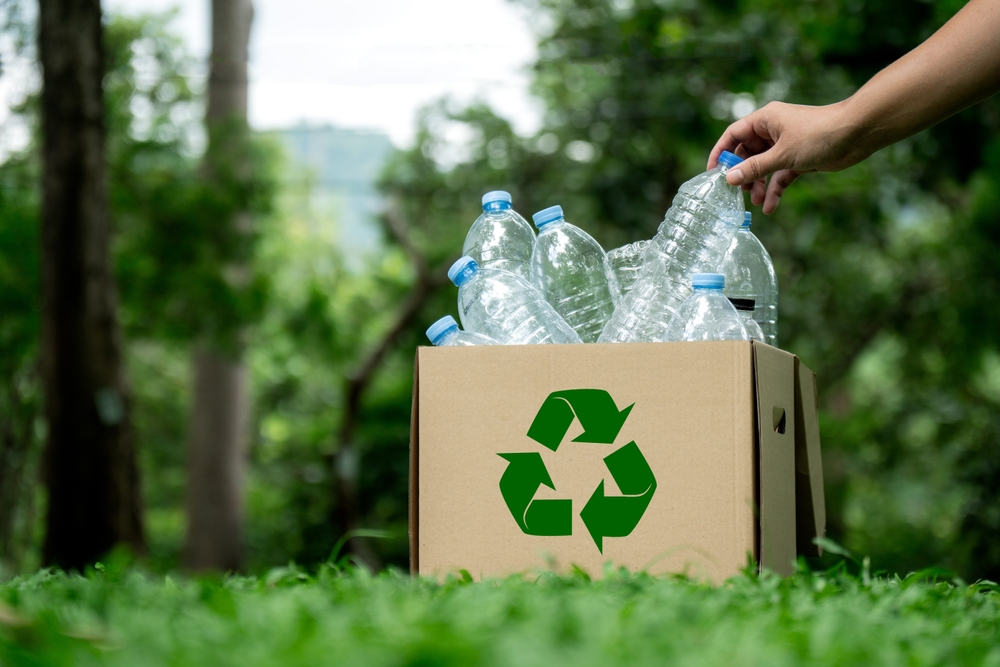
The definition of waste management also includes waste disposal when all recovery options are exhausted. But disposal should be the last resort, after reuse, recycling or recovery have been considered to help prevent environmental harm. To outline what does waste management do in practical terms; effective waste management practices can include sorting waste streams, diverting waste from landfill sites, composting food waste, recovering energy from waste and using anaerobic digestion for organic waste.
Particularly, the importance of solid waste management cannot be overstated, as it directly affects public health and sustainability.
Why is waste management important for the environment?
Environmental reasons are central. Landfill sites are a major source of methane, a potent greenhouse gas contributing to climate change and global warming. Every tonne of waste diverted from landfill via recycling or other methods helps cut the carbon footprint. Through conserving natural resources, we lessen the extractive burden on forests, water supplies and mineral deposits for virgin materials. Recycling enables resource recovery so that new and raw materials are less needed. That helps reduce the use of energy, reduce emissions and protect ecosystems. Good waste management supports resource conservation, ensuring materials are reused and energy consumption is minimised. By recycling and reusing materials, businesses reduce demand on many natural resources.
Effective waste management processes are also essential for environmental sustainability. As populations grow, business activity increases and the amount of waste increases. Failing to manage waste properly leads to soil contamination, air and water pollution, threatens wildlife and other serious negative impacts on the environment.
Impacts on human health and society
Why is proper waste disposal important? Effective waste management has direct benefits for public health. Mismanaged waste materials can harbour pathogens, attract pests, contaminate water sources and expose people to harmful substances.
Business waste and improper disposal can create safety hazards, pollute air and water, or worsen human health outcomes. Addressing these critical issues is part of our environmental responsibilities.
Economic and business case
For UK businesses, proper waste management is not just ethical, it is cost effective. Good systems help cut costs in disposal, transport and penalties for non‑compliance. Businesses using effective waste management practices often find that recycling or reusing materials saves money compared to sending all their waste to landfill. Understanding waste management value supports better investment decisions and operational efficiency. Effective waste management can improve efficiency across the supply chain, reducing costs and waste throughout production and distribution.
Waste management costs are rising. Regulations are tightening. Customers care about sustainability. Being able to show robust environmentally friendly waste management practices helps with reputation, compliance and winning contracts. It supports the shift to a circular economy where waste is minimised, materials reused and new materials used only when necessary.
Goals and benefits of reducing waste
- Waste reduction benefits include less pollution, lower greenhouse gas emissions and less pressure on landfill
- Advantages of waste management to businesses include recovering valuable resources, improving efficiency, better compliance and cost savings
- Benefits of waste management to society include safer environment, healthier communities, and reducing demand for fossil fuels and virgin materials
What are the goals of waste management? They include reducing waste generated, diverting waste from landfill, increasing recycling, recovering energy, treating organic waste and treating hazardous waste safely. What is the goal of waste management? To protect the environment, protect public health and preserve natural resources for future generations. What are the benefits of reducing waste? They include lower environmental impact, improved resource use and reduced costs.
Challenges and how to overcome them
Achieving proper waste management likely includes facing obstacles such as lack of waste management infrastructure, lack of awareness, high initial costs, weak regulation and unorganised waste streams. Local authorities and businesses may struggle with sorting or treatment facilities.
Solutions include:
- Educate consumers and businesses so that as much waste as possible is sorted at source
- Invest in facilities for recycling, composting or anaerobic digestion
- Use technology to improve tracking, reporting and compliance
- Apply regulatory incentives, subsidies or penalties to promote proper waste disposal and reduce reliance on landfill
Recent waste management research shows that digital tracking significantly improves diversion rates from landfill, including scrap metal, and supports production waste management.
Special focus: organic waste and landfill sites
Organic waste such as food waste is a large part of what ends up in landfill. When organic waste decomposes in landfill it emits methane. Using composting or anaerobic digestion helps convert waste into biogas or compost, reducing environmental harm, returning nutrients to soil and lessening reliance on fossil fuels.
Landfill sites are expensive, take up land and risk polluting water. Diverting waste from landfill reduces reliance on landfill, cuts long‑term maintenance costs, and reduces risk of leachate or gas escape.
The role of technology and innovation in managing waste
Digital tools and innovative solutions help improve production waste management. Sensor-based sorting, data-driven tracking of waste streams, predictive analytics to prevent overproduction, and mobile apps to handle inspections and compliance all support effective waste management. This ensures proper waste disposal, reduces errors and improves environmental outcomes.
Measuring success and ongoing improvement
To see the impact of waste management and the environment, organisations should measure outcomes:
- Percent of waste diverted from landfill
- Levels of recycling and resource recovery
- Reduction in greenhouse gas emissions
- Reduction in waste generated per business or household
- Waste management benefits and cost savings
These metrics guide improvement, justify investment and strengthen compliance with environmental responsibilities.
Understanding waste management in practice
To fully grasp waste management importance, it helps to understand its scope and implications. What’s waste management? At its core, it is the set of processes for handling waste, from collection to proper waste disposal. A clear waste management definition and waste management description can guide organisations in planning and compliance.
Facts about waste management show that mismanaged waste increases landfill use, contributes to greenhouse gas emissions and poses risks to public health. Access to reliable waste management information allows businesses and local authorities to make informed decisions and track performance. Understanding how does waste management affect the environment is essential, as it guides the design of strategies that reduce pollution and protect ecosystems.
How does waste management work in practice? Effective systems involve sorting waste streams, promoting recycling, recovering energy, and treating organic and hazardous waste safely. Failure to adopt these steps can create a waste management problem, such as overflowing landfill sites, pollution or inefficient resource use. Recognising the benefits of waste reduction helps organisations cut costs, conserve resources and operate more sustainably.
It is important to define waste management and waste control within each organisation. Knowing how to define waste management allows staff to follow proper procedures and meet legal and environmental obligations. Organisations should also consider how to improve waste management, for example, by implementing new technology, digital monitoring and employee training.
Finally, understanding why is reducing waste important, why should we reduce waste, and waste management and control helps businesses minimise costs, protect the environment and contribute to a circular economy. Addressing these areas ensures sustainable operations while meeting both regulatory and social responsibilities.
How Velappity can help your organisation
Velappity’s waste management software solution that can be used for effective waste management via digital inspections forms, asset compliance monitoring and reporting. By creating custom forms, waste management companies can help local authorities, facilities and businesses ensure they have proper waste management systems in place that are compliant and efficient.
Velappity allows you to schedule inspections, monitor assets, build custom forms, report non-compliance and deliver reports instantly. Using Velappity you can reduce administrative delays, ensure proper waste disposal, and maintain safe and clean sites.
For more insights, explore waste management articles to understand trends, innovations and how you can improve your core operations.
Why proper waste management is important for a sustainable future
Why reducing waste is important: it is tied to our shared sustainable future. It limits damage to environment, protects public health, conserves natural resources, secures social equity and ensures economic resilience. In short, successful waste management supports climate change mitigation, reduces carbon footprint and moves us toward a circular economy where waste materials are reused, recycled or recovered rather than discarded. Understanding what is the final goal for solid waste management ensures long-term planning.
Conclusion: waste management and the environment
In summary, why waste management is important comes down to this: safeguarding the environment, protecting people, conserving natural resources, reducing costs, and building stronger, more resilient businesses and communities. Proper waste management delivers great value for businesses – reducing disposal costs, improving compliance, and enhancing reputation with customers. Organisations should weigh the pros and cons of waste management, stay informed about waste management environmental issues and look out for waste management promotions that support sustainable operations.