

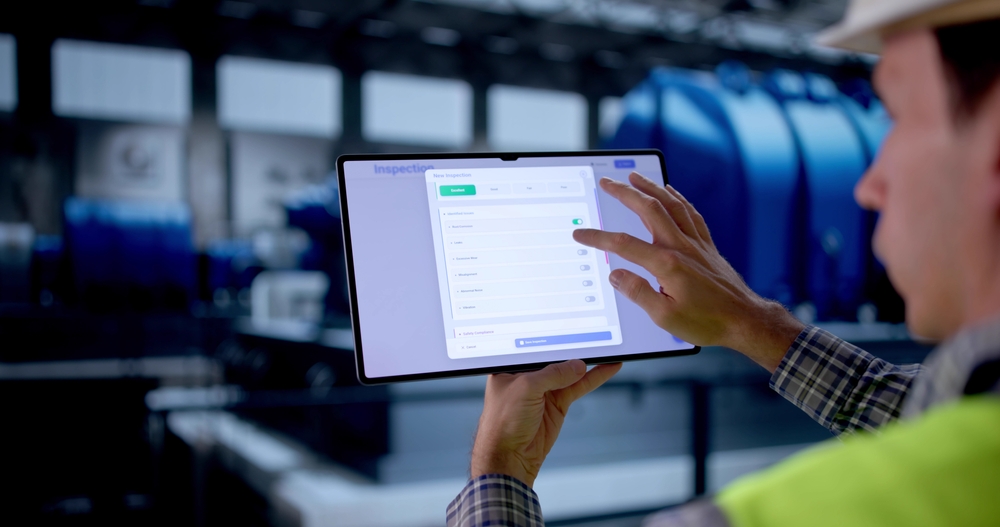
In today’s fast-paced, compliance-driven environment, businesses can no longer afford inefficiencies in their inspection process. Whether you’re managing safety checks, quality control, or regulatory audits, the method you use—digital inspection vs paper inspection—has a direct impact on accuracy, productivity, and risk.
While paper inspection forms and traditional paper processes have been the standard for decades, digital inspections are rapidly becoming the preferred approach across industries. This shift from paper to digital isn’t just about convenience—it’s about improving inspection data, reducing manual processes, and ensuring compliance with evolving regulatory standards.
Digital inspection software such as Velappity helps teams streamline workflows, replace paper forms, and capture data more accurately using mobile devices in the field.
In this guide, we’ll break down both methods, compare them side-by-side, and explain why digital inspection systems are emerging as the smarter, future-proof choice.
What Is a Paper Inspection?
A paper inspection is a manual process where inspectors record observations, inspection findings, and checklists using printed inspection forms or pen and paper forms.
Typically, this involves:
- Printing paper inspection forms
- Manually filling them out on-site using handwritten notes
- Physically storing documents in filing cabinets or scanning them later
- Entering inspection data into other business systems after the fact
While simple to implement, paper inspections rely heavily on manual data entry and manual processes, which increases the risk of human error and potential errors in inspection reports.
Key characteristics of paper inspections:
- Manual data entry and paper forms
- High risk of human error
- Delayed reporting and analysis
- Physical storage, including filing cabinets and paper reports
- Risk of lost or damaged paperwork
For many organisations, paper inspections are still in use because they’re familiar. However, familiarity often masks hidden inefficiencies, safety risks, and the limitations of traditional methods—especially as inspection volumes increase.
What Is a Digital Inspection?
A digital inspection uses software or mobile applications to conduct inspections, capture data, and manage inspection data electronically. Inspectors complete digital inspection forms on mobile devices, allowing them to access inspection data instantly.
Digital inspection platforms, such as Velappity, enable businesses to streamline workflows, improve communication, and reduce reliance on paper forms.
Key characteristics of digital inspections:
- Real-time data collection and data capture
- Digital inspection reports generated instantly
- Cloud-based storage with easy access to inspection data
- Automated workflows and improved communication
- Custom inspection templates for different inspection types
Digital inspections transform inspections from static, manual processes into scalable, data-driven workflows that support field teams and improve operational efficiency.
Digital Inspection vs Paper Inspection: Side-by-Side Comparison
| Feature | Paper Inspection | Digital Inspection |
|---|---|---|
| Data Entry | Manual data entry | Automated data capture |
| Speed | Slow, requires re-entry | Real-time reporting |
| Accuracy | High risk of human error | Improved accuracy |
| Accessibility | Physical documents only | Easily accessible anywhere |
| Compliance | Hard to track and audit | Built-in compliance tracking |
| Storage | Filing cabinets and paper reports | Secure digital storage |
| Scalability | Difficult to scale | Scalable solution |
| Reporting | Time consuming | Instant insights and analytics |
Why Businesses Are Moving to Digital Inspections
1. Improved Accuracy and Reduced Human Error
One of the biggest drawbacks of paper inspections is the risk of human error—illegible handwriting, missed fields, or incorrect data entry.
Digital inspection systems solve this by:
- Enforcing mandatory fields
- Using predefined inputs and digital forms
- Validating data in real time
This ensures inspections are consistent, complete, and reliable while reducing costly rework caused by errors.
2. Increased Efficiency and Time Savings
Paper-based workflows are inherently time consuming:
- Paper forms must be printed and distributed
- Completed forms must be collected
- Data must be manually entered
Digital inspections remove these steps entirely.
Inspectors can conduct inspections, capture data, and generate digital inspection reports in just a few clicks, significantly improving operational efficiency and saving time.
In many cases, businesses moving from paper to digital inspections report major time savings across their inspection process.
3. Real-Time Visibility and Reporting
With paper inspections, access to inspection data is often delayed—sometimes by days or weeks.
Digital inspections provide real time visibility through:
- Live dashboards
- Instant alerts
- Immediate access to inspection results
This allows teams to make informed decisions faster, particularly in safety-critical environments or remote areas.
4. Stronger Compliance and Audit Readiness
Compliance is a major concern across industries.
Paper inspection records can be lost or damaged, making it difficult to demonstrate compliance.
Digital inspection systems provide:
- Time-stamped inspection reports
- Full audit trails
- Secure and centralised data storage
This helps businesses meet regulatory standards while reducing safety risks.
5. Better Data Utilisation and Insights
Paper inspections generate data—but it’s often locked away in filing cabinets or static reports.
Digital inspections allow businesses to:
- Analyse inspection data
- Identify patterns and spot trends
- Review past inspections and inspection results
This supports better decision-making and allows organisations to leverage technology to improve safety processes.
6. Scalability for Growing Operations
As businesses grow, paper inspection processes become harder to manage:
- Increased paperwork
- Storage challenges
- Coordination issues
Digital inspection systems offer a scalable solution by using digital tools and reusable templates, making it easier to manage inspections across multiple sites and teams.
The Hidden Costs of Paper Inspections
While paper inspections may seem cost-effective, they often lead to hidden costs:
- Time spent on manual processes
- Costly rework due to human error
- Storage of paper reports and documentation
- Delayed decision-making
Over time, these inefficiencies reduce productivity and limit a business’s ability to compete.
Switching from paper to digital inspections helps reduce paperwork, improve efficiency, and deliver long-term cost savings.
How Digital Inspections Support Modern Business Needs
Today’s businesses require systems that are:
- Agile
- Data-driven
- Compliant
- Scalable
Digital inspection technology supports these needs by enabling organisations to streamline workflows, improve communication, and integrate inspection data with other business systems.
Platforms like Velappity help businesses move from paper to digital inspections while improving visibility and performance.
When Should You Switch to Digital Inspections?
If your organisation is experiencing any of the following, it may be time to switch:
- Frequent human error in inspection reports
- Delays in reporting and analysis
- Difficulty accessing inspection data
- Increasing inspection volumes
- Challenges meeting regulatory standards
Making the move to digital inspections can reduce risk, improve efficiency, and give your business a competitive edge.
Final Thoughts: Digital Inspection vs Paper Inspection
The comparison between digital inspection vs paper inspection is clear.
Paper inspections rely on manual processes, paper forms, and time-consuming workflows. Digital inspections use digital tools, automation, and real-time data to improve accuracy and efficiency.
For businesses operating in an increasingly competitive market, moving from paper to digital inspections is no longer optional—it’s essential.
Digital Inspection vs Paper Inspection FAQs
What is the difference between digital and paper inspections?
Paper inspections rely on manual processes and paper forms, while digital inspections use digital tools to capture data and generate reports instantly.
Do digital inspections improve accuracy?
Yes, digital inspections reduce human error through validation, structured data entry, and automated workflows.
Can digital inspections save time?
Yes, digital inspections eliminate manual data entry and reduce time spent creating inspection reports, delivering significant time savings.
Are digital inspections better for compliance?
Yes, digital inspection systems provide audit trails, time-stamped records, and easier access to inspection data for compliance purposes.