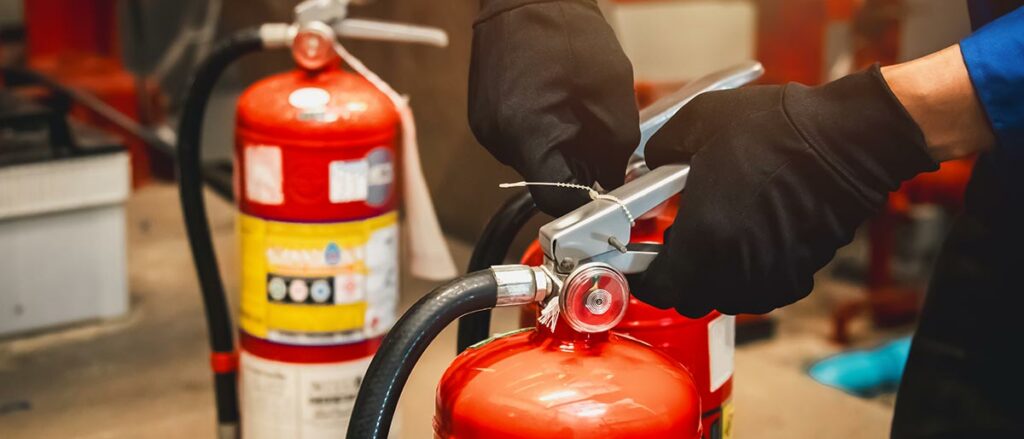


Fire hazards in the workplace are one of the biggest safety risks facing businesses today. Workplace fires can cause serious injuries, operational disruption and devastating damage if fire safety measures are not properly implemented. Identifying common fire hazards is a key part of any effective risk assessment, and using dedicated risk assessment software can help teams record hazards, apply control measures and maintain compliance across sites.
In the UK, thousands of workplace fires still occur each year, with faulty electrical equipment, flammable materials and human error among the leading causes.
Many organisations now use fire risk assessment software to identify hazards in the workplace, implement control measures and reduce fire risk across different environments.
What are fire hazards in the workplace?
Fire hazards in the workplace are anything that can contribute to fire starting, spreading, or becoming more severe. This usually involves a combination of:
- Ignition sources (heat sources, electrical equipment)
- Fuel sources (flammable materials, combustible materials)
- Oxygen
If these elements come together, the risk of fire increases significantly.
A proper fire risk assessment is essential to identify fire hazards, assess risk, and put fire safety measures in place.
10 common fire hazards in the workplace
Below are the most common fire hazards in the workplace, based on real UK guidance and industry best practice.
1. Build up of combustible materials
Combustible materials such as paper, cardboard, and waste material are a major cause of workplace fires.
A build up of combustible rubbish increases the fire load and allows a small fire to spread quickly.
Risks:
- Fire spreads rapidly
- Difficult to control a small fire
- Increased overall fire risk
Control measures:
- Regular waste removal
- Safe storage in designated storage areas
- Keep combustible materials away from heat sources
2. Flammable liquids and substances
Flammable liquids such as solvents, fuels, and cleaning chemicals present a serious fire hazard.
If stored incorrectly, they can create flammable concentrations or flammable atmospheres.
Risks:
- Rapid fire spread
- Explosion risk
- Increased danger in enclosed areas
Control measures:
- Use appropriate containers
- Ensure safe storage
- Provide adequate ventilation
- Avoid build up of vapours
3. Faulty electrical equipment
Electrical equipment is one of the leading causes of workplace fires in the UK.
Loose wiring, faulty equipment, and overloaded plug sockets can all cause overheating and fire starting.
Risks:
- Electrical fires
- Sparks and overheating
- Accidental fires
Control measures:
- Regular PAT testing
- Ensure electrical equipment is properly maintained
- Avoid overloading plug sockets
- Inspect loose wiring regularly
4. Overloaded plug sockets and circuits
Overloaded plug sockets are a common but preventable hazard.
Too many electrical appliances connected to one source can lead to overheating and fire.
Risks:
- Causing overheating
- Fire starting from circuits
- Increased fire risk
Control measures:
- Limit use of extension leads
- Regularly inspect plug sockets
- Follow manufacturer’s instructions
5. Heat sources and heating appliances
Heat sources such as portable heaters, cooking equipment, and machinery are major ignition sources.
If placed near flammable materials, they can quickly start a fire.
Risks:
- Ignition of nearby materials
- Fire starting from overheating
- Increased workplace fire risk
Control measures:
- Keep heat sources away from combustible materials
- Monitor heating appliances
- Ensure equipment is properly maintained
6. Cooking equipment and cooking oil
Kitchens are a high-risk area for workplace fires.
Cooking equipment and cooking oil can easily ignite if left unattended.
Risks:
- Fire starting from grease build up
- Small fire spreading rapidly
- Increased risk in enclosed spaces
Control measures:
- Regular cleaning of cooking appliances
- Never leave equipment unattended
- Install fire blankets and fire extinguishers nearby
7. Smoking materials
Improper disposal of smoking materials is a common cause of workplace fires.
Cigarettes can ignite flammable materials such as paper or waste.
Risks:
- Fire starting in waste bins
- Accidental fires
- Increased fire hazards in outdoor areas
Control measures:
- Designated smoking areas
- Safe disposal bins
- Clear workplace policies
8. Poor storage of flammable materials
Improper storage of flammable materials increases fire hazards significantly.
This includes gas cylinders, chemicals, and dangerous substances.
Risks:
- Flammable concentrations building up
- Fire spreading rapidly
- Increased explosion risk
Control measures:
- Safe storage in ventilated areas
- Separate building for high-risk materials
- Keep away from ignition sources
9. Lack of fire safety equipment
Without proper fire safety equipment, even a small fire can escalate quickly.
Risks:
- Delayed response
- Increased damage
- Higher risk to employees
Fire safety equipment should include:
- Fire extinguishers
- Fire alarm systems
- Automatic fire detection systems
- Smoke alarms
- Emergency lighting systems
Control measures:
- Regularly test all equipment
- Ensure systems are regularly inspected
- Replace faulty equipment immediately
10. Blocked escape routes and fire exits
Blocked escape routes are one of the most dangerous fire hazards in the workplace.
In the event of a fire, employees must be able to evacuate quickly.
Risks:
- Delayed evacuation
- Increased injury risk
- Obstructed access for rescue services
Control measures:
- Keep fire exits clear
- Maintain escape routes
- Conduct regular fire drills
The role of fire risk assessments
A fire risk assessment is essential for identifying fire hazards and implementing control measures.
According to UK guidance, it involves:
- Identifying hazards
- Identifying people at risk
- Reducing risk
- Recording findings
- Reviewing regularly
Using structured fire risk assessment templates ensures consistency and helps organisations manage risk effectively.
Fire safety measures to reduce workplace fires
To reduce workplace fires, businesses should implement clear fire safety measures:
- Install fire doors and fire resisting construction
- Maintain fire detection and fire alarm systems
- Ensure emergency lighting systems are functional
- Provide fire extinguishers and fire blankets
- Conduct regular fire drills
Fire prevention is always more effective than reacting after a fire has started.
Fire prevention and control measures
Effective fire prevention relies on strong control measures.
These include:
- Regular inspections of electrical equipment
- Safe storage of flammable substances
- Removing combustible rubbish
- Ensuring adequate ventilation
- Training employees to spot fire hazards
A competent person should oversee fire safety processes and provide detailed advice where needed.
Training and responsibilities
Employees must be properly trained to understand fire hazards and respond appropriately.
Training should include:
- Identifying hazards in the workplace
- Using fire safety equipment
- Evacuation procedures
- Responding in the event of a fire
Employers have a legal duty to keep employees safe and reduce the risk of fire through training and awareness.
Managing fire safety with digital tools
Managing fire safety across multiple sites can be complex.
Digital tools such as fire safety software help organisations:
- Track fire hazards
- Manage inspections
- Monitor control measures
- Maintain compliance
This is particularly useful for large organisations or high-risk environments.
Key takeaways
- Fire hazards in the workplace are often preventable
- The most common causes include electrical equipment, flammable materials, and human error
- A fire risk assessment is essential for identifying hazards
- Control measures reduce fire risk significantly
- Proper training and equipment are critical
Final thoughts
Fire hazards in the workplace are a serious risk, but they are largely preventable with the right approach.
By identifying hazards, implementing fire safety measures, and maintaining strong control measures, businesses can significantly reduce the risk of fire and protect both people and property.
A proactive approach to fire safety is not just good practice — it is essential for keeping employees safe and ensuring long-term business continuity.
Fire hazards in the workplace FAQs
What are the most common fire hazards in the workplace?
Common fire hazards include electrical equipment, flammable liquids, combustible materials, and blocked escape routes.
What causes most workplace fires?
Faulty electrical equipment is one of the leading causes, followed by flammable materials and human error.
How can fire hazards be prevented?
Fire hazards can be reduced through proper storage, regular inspections, fire safety training, and implementing control measures.
Why is fire safety important in the workplace?
Fire safety protects employees, reduces risk, and ensures compliance with regulations.