

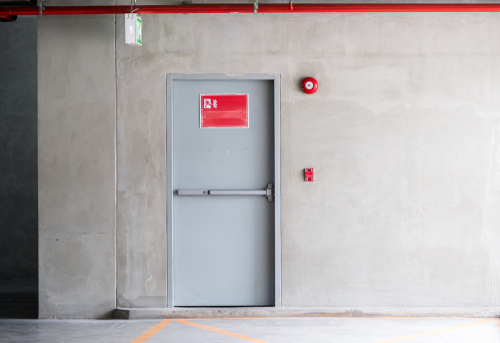
Fire door inspection cost in the UK typically ranges from £10 to £35 per door, although prices can reach £60 per door for more complex sites or specialist inspections. If you require a complete fire door survey across an entire building, expect costs to range from around £200 to £1,000, depending on the size of the property, the number of fire doors and accessibility.
Whether you manage offices, schools, apartment blocks, healthcare facilities or industrial premises, regular fire door inspections are essential for maintaining compliance and protecting occupants. Many organisations now combine inspections with digital fire risk assessment software to manage inspections, produce reports and maintain a complete audit trail across multiple sites.
Although cost is important, it should never be the only deciding factor. A professional inspection helps identify issues before they become expensive repairs, ensures your building complies with fire safety regulations and demonstrates that the responsible person has fulfilled their legal duties.
In this guide, we’ll explain typical fire door inspection costs, what influences pricing, what inspectors actually check and how to choose a qualified fire door inspector.
Average fire door inspection costs
The cost of a fire door inspection varies depending on the number of doors, the type of building and whether you require a basic visual inspection or a more detailed fire door survey.
| Inspection | Typical Cost |
|---|---|
| Fire door inspection (per door) | £10–£35 |
| Larger or specialist inspection | £35–£60 per door |
| Small commercial property | £150–£350 |
| Medium commercial buildings | £350–£700 |
| Large building fire door survey | £700–£1,000+ |
| Re-inspection after remedial work | Varies by contractor |
Many inspection companies reduce the per door cost when inspecting a large number of fire doors during a single visit. This is common in commercial buildings, residential buildings, schools and healthcare facilities where dozens or even hundreds of doors require inspection.
Always check whether the quotation includes the fire door inspection report or whether this is charged separately.
What affects fire door inspection cost?
Several factors influence the final price.
Number of fire doors
Most contractors calculate pricing using a per door cost. The greater the number of fire doors requiring inspection, the lower the average per door inspection cost often becomes.
Building size and layout
Large buildings naturally require more inspection time. Multiple floors, restricted access areas and dispersed locations all increase the amount of time needed to inspect every fire door.
Type of property
Commercial properties often have more complex fire safety requirements than smaller residential properties. Hotels, hospitals, schools and industrial premises typically require more detailed inspection services than a small office building.
Accessibility
If fire doors are located within secure areas, plant rooms or occupied residential buildings, inspection times may increase.
Geographic location
Labour costs vary across the UK. Businesses operating in Central London, West London and Greater London generally pay more than organisations elsewhere. For example, areas such as West Sussex may also have different pricing depending on local demand and travel requirements.
Scope of the inspection
A simple visual inspection will generally cost less than a comprehensive fire door survey that includes detailed measurements, photographic evidence and recommendations for remedial action.
Hidden extras
Before accepting a quotation, check whether it includes:
- A detailed report
- Photographs
- Compliance checks
- Recommendations
- Travel charges
- Re-inspections
- Remedial work quotations
The cheapest inspection service isn’t always the best value if additional costs are added afterwards.
What does a fire door inspection include?
Professional fire door inspections involve much more than checking whether a door closes properly.
A trained professional will inspect every critical component that contributes to the door’s fire rating and overall performance. Fire doors are active components within passive fire protection systems and are designed to slow fire spread while protecting escape routes.
During a typical fire door inspection, qualified inspectors assess:
- The door leaf for damage, distortion or excessive wear
- The fire door frame and surrounding door frames
- Fire seals and cold smoke seals
- Self closing devices
- Hinges and fixings
- Vision panels
- Glazing
- Locks and ironmongery
- Certification labels
- Fire rating identification
- Gaps between the door and frame
- Signs of unauthorised alterations
Current guidance generally recommends clearance should not exceed approximately 3mm around the sides and top, while excessive gaps can significantly reduce the effectiveness of fire resisting doors during a fire.
Most inspections take between 15 and 30 minutes per door, depending on accessibility and the complexity of the building.
Using a structured fire door inspection checklist helps inspectors complete consistent inspections and produce accurate documentation for every property. It also helps demonstrate that each inspection has followed a repeatable process, should insurers or enforcing authorities request evidence later.
Why fire door inspections matter
Fire doors are one of the most important life safety features within any building.
If they fail during a fire, smoke and flames can spread rapidly between compartments, putting occupants and emergency responders at greater risk.
Research has consistently shown that a high proportion of inspected fire doors fail because of issues such as damaged smoke seals, missing self closing devices, excessive gaps or poor installation. Many of these defects are relatively inexpensive to fix when identified early but become far more costly if ignored.
Regular inspections also help building owners plan maintenance budgets, prioritise remedial action and reduce the likelihood of emergency repairs following failed audits or fire risk assessments.
For organisations responsible for multiple commercial buildings, maintaining inspection records manually can quickly become difficult. Many facilities teams therefore use facilities management software alongside their inspection programmes to schedule recurring inspections, monitor remedial work and maintain compliance records across every site.
Is a fire door inspection a legal requirement?
In many non-domestic premises, regular fire door inspections form part of a building owner’s legal responsibilities.
The Regulatory Reform (Fire Safety) Order 2005 places a duty on the responsible person to ensure fire precautions remain effective. This includes maintaining fire doors so that they continue to perform as intended during an emergency.
The responsible person may be:
- The building owner
- An employer
- A facilities manager
- A managing agent
- Another competent person with responsibility for fire safety
While the legislation does not prescribe an exact inspection schedule for every building, regular inspections are expected as part of ongoing maintenance and legal compliance.
Current best practice recommends:
- Fire doors should generally be inspected every six months
- Communal fire doors in residential buildings over 11 metres should typically be inspected every three months
- Flat entrance doors in relevant higher-risk residential buildings should usually be inspected annually
- Fire risk assessments should be reviewed regularly and whenever significant changes occur
Failing to maintain fire doors can result in enforcement action, prosecution or substantial fines if non compliance places occupants at risk.
Regular inspections also provide documented evidence that fire safety laws and fire safety standards are being followed, something that insurers and enforcing authorities may request following an incident.
Fire door survey vs fire door inspection
Although the terms are often used interchangeably, there is a difference between a fire door inspection and a fire door survey.
A fire door inspection focuses on assessing the condition and performance of individual fire doors. The inspector checks each component, records defects and highlights any remedial action needed to maintain compliance.
A fire door survey is generally broader. It may involve reviewing every fire door throughout a building, identifying trends, assessing overall fire door compliance and producing a comprehensive report for the client.
A professional fire door survey may include:
- Inspection of every fire door
- Compliance checks against current fire safety regulations
- Photographs of defects
- Prioritised remedial work
- A detailed report
- Recommendations for future maintenance
- Fire door survey requirements for ongoing compliance
Larger organisations often commission complete surveys when purchasing buildings, carrying out compliance audits or reviewing estate-wide fire safety.
Choosing a qualified fire door inspector
Price is important, but experience and competence matter far more.
Fire doors are life safety assets, so inspections should always be completed by qualified professionals with appropriate training.
When choosing a fire door inspector, consider whether they:
- Have recognised UK fire door training
- Understand current British Standard guidance
- Carry out dependable fire door inspections
- Provide comprehensive fire door inspection services
- Produce a clear fire door inspection report
- Explain any remedial work required
- Provide evidence with photographs where appropriate
A fully trained inspector should also understand the wider principles of passive fire protection and be able to identify defects that could compromise fire safety before they become major issues.
Avoid choosing solely on price. A slightly more expensive inspection service that provides a thorough report can save considerable money by identifying problems before they lead to costly repairs or enforcement action.
How to reduce long-term inspection costs
While fire door inspections are a legal requirement, there are ways to reduce the overall cost of compliance without compromising safety.
Scheduling regular inspections is usually more cost effective than waiting until problems become obvious. Small issues such as worn smoke seals or loose self closing devices can often be resolved quickly before they develop into larger failures requiring extensive remedial work.
If you manage multiple sites, combining inspections into a single programme can also reduce travel costs and lower the average per door cost.
Digitising inspections is another effective way to improve efficiency. Instead of relying on paper forms, inspection teams can complete inspections, capture photographs and generate reports digitally using Velappity’s inspection features. Digital records make it easier to demonstrate legal compliance, track outstanding actions and provide a complete audit trail during audits or insurance inspections.
Final thoughts
Fire door inspections are far more than a compliance exercise. They help protect people, preserve escape routes and reduce the spread of fire and smoke during an emergency.
Although inspection costs are relatively modest, delaying inspections can lead to expensive repairs, enforcement action and increased risk for building occupants. Investing in regular inspections carried out by qualified inspectors, supported by accurate digital records, gives building owners confidence that their fire doors remain effective and fully compliant with current fire safety requirements.
Frequently asked questions
How much does a fire door inspection cost?
Most fire door inspections cost between £10 and £35 per door. More complex inspections or specialist sites may cost up to £60 per door, while complete building surveys typically range from £200 to £1,000.
How often should fire doors be inspected?
As a general guide, fire doors should be inspected every six months. Some higher-risk residential buildings require more frequent inspections for communal fire doors, while annual checks may apply to flat entrance doors.
How long does a fire door inspection take?
A professional fire door inspection usually takes between 15 and 30 minutes per door, depending on the building, accessibility and the condition of the door.
Who can carry out a fire door inspection?
Fire door inspections should be completed by a competent person with suitable knowledge and experience. Using qualified professionals helps ensure defects are correctly identified and recommendations reflect current fire safety regulations.
What is included in a fire door inspection report?
A fire door inspection report typically records the condition of the door leaf, fire door frame, hinges, smoke seals, cold smoke seals, self closing devices, vision panels, gaps around the door and any defects requiring remedial action. Photographs and compliance recommend



:+How+Much+Should+You+Expect+to+Pay?)