
A fire safety checklist is essential for maintaining a safe workplace and protecting employees, visitors and your premises from fire hazards. Every business must take fire safety seriously, with clear processes in place to identify risks, manage equipment and ensure compliance with regulations.
If you’re responsible for workplace safety, carrying out a fire risk assessment and maintaining a structured fire safety risk assessment process is critical. Using fire risk assessment software like Velappity can help you manage inspections, track safety checks and keep accurate records across your building and equipment.
This fire safety checklist covers the key fire precautions, safety systems and emergency procedures every business should have in place to reduce fire risk, protect people and maintain a compliant workplace.
What Is a Fire Safety Checklist?
A fire safety checklist is a structured safety checklist used to identify fire hazards, assess fire risk and ensure all fire safety systems are working correctly within a workplace or building. It forms part of a wider health and safety policy and helps responsible persons meet their legal safety duties.
A comprehensive fire safety checklist should cover:
- Fire detection systems such as smoke alarms and fire alarm systems
- Fire extinguishers and other fire safety equipment
- Emergency lighting and clearly marked escape routes
- Fire doors, door handles and access points
- Electrical safety, including plug sockets and electrical appliances
- Storage of flammable materials and combustible materials
- Evacuation plans, assembly points and emergency procedures
For businesses with five or more employees, maintaining documented risk assessments and a clear emergency plan is essential. A competent person should regularly review fire safety measures, ensuring all staff are aware of procedures and that safety checks are completed consistently.
Workplace Fire Safety Checklist
Use this quick workplace checklist to assess fire safety across your premises and reduce potential hazards:
Fire Detection and Alarm Systems
- Ensure every fire alarm system is operational and tested regularly
- Carry out weekly alarm checks and schedule regular testing by a competent person
- Check smoke alarms are installed on every level and replace units when required
- Minimise false fire alarms by maintaining alarm systems properly
Fire Extinguishers and Equipment
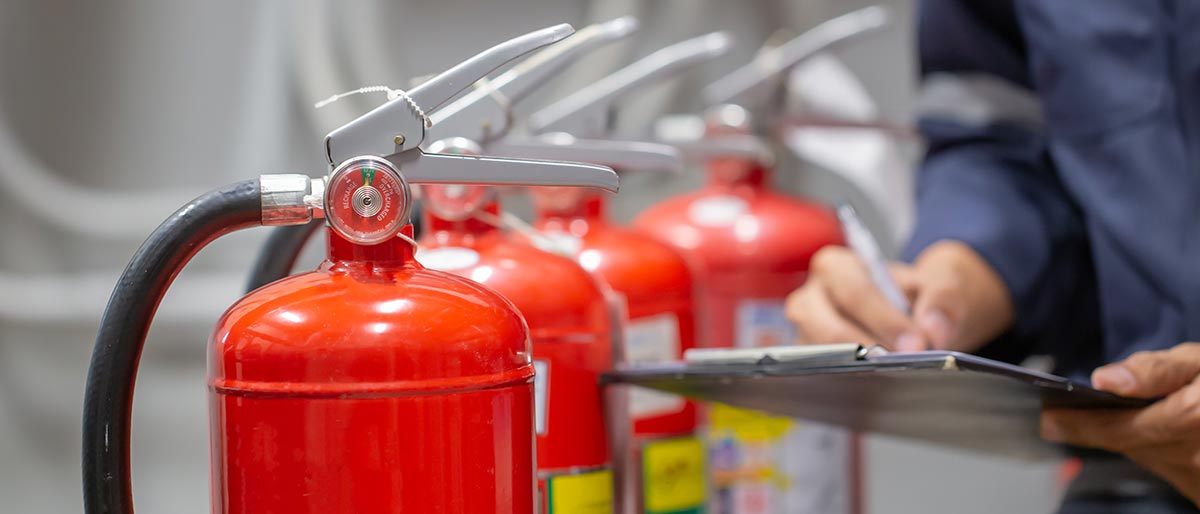
- Place fire extinguishers in visible and accessible locations
- Check extinguishers regularly to ensure they are fully operational
- Provide the correct equipment for different fire hazards
- Ensure first aid kits and fire blankets are available in relevant areas
Escape Routes and Emergency Planning
- Keep escape routes clear of obstructions at all times
- Clearly mark emergency exits and ensure doors open easily
- Establish an evacuation plan with clear assembly points
- Display emergency procedures for employees and visitors
- Ensure emergency lighting is working in all key areas
Fire Doors and Building Safety
- Ensure fire doors close fully and are not propped open
- Check seals and door handles are intact and functional
- Maintain fire safety systems to slow the spread of fire
Electrical Safety and Equipment
- Avoid overloading plug sockets
- Check electrical appliances and cables for damage
- Reduce ignition sources by maintaining equipment properly
Storage and Fire Hazards
- Store flammable liquids safely
- Keep combustible materials away from ignition sources
- Identify potential hazards and control fire risk across the workplace
Fire Risk Assessment and Compliance
A fire risk assessment is a legal requirement for all business premises under UK fire safety regulations. It involves identifying fire hazards, assessing the level of risk and implementing control measures to protect people and property.
Responsible persons must:
- Carry out regular fire safety risk assessments
- Review risk assessments after significant changes
- Maintain records of safety checks and fire drills
- Ensure compliance with health and safety policy requirements
Every year, thousands of workplace fires occur in the UK, highlighting the importance of maintaining strong fire safety systems and effective risk management processes.
Fire Safety Systems and Equipment
Effective fire safety relies on well-maintained systems and equipment throughout your building:
- Fire alarm systems and smoke alarms must be tested regularly
- Emergency lighting should guide occupants safely during evacuation
- Fire extinguishers must be serviced annually
- Alarm systems should be checked frequently to ensure reliability
Regular testing and maintenance ensure your fire safety systems are ready when needed and reduce the likelihood of failure during an emergency.
Fire Safety Training and Staff Responsibilities
Fire safety training is essential for creating a safe workplace. Employees must understand their safety duties and know how to respond in an emergency.
- Train staff on fire procedures and evacuation plans
- Ensure fire wardens are appointed and trained
- Make sure staff are aware of escape routes and assembly points
- Include temporary staff and new starters in safety training
A competent person should oversee training programmes and ensure all employees manage fire safety responsibilities effectively.
Emergency Procedures and Evacuation Planning
Every workplace must have a clear emergency plan in place to protect employees, visitors and contractors.
Your evacuation plan should include:
- Clearly marked escape routes
- Designated assembly points
- Procedures for contacting emergency services
- Support for individuals with specific needs
Regular fire drills should be carried out to ensure employees know how to respond quickly and safely.
Why Fire Safety Matters in the Workplace
Fire safety is critical for protecting people, assets and business operations. Poor fire safety management increases the risk of injury, damage to property and disruption to business continuity.
A strong safety policy helps:
- Protect employees and visitors
- Reduce fire risk across the workplace
- Ensure compliance with regulations
- Support employee wellbeing
Maintaining a safe workplace requires consistent monitoring, regular inspections and clear communication of safety procedures.
Manage Fire Safety Digitally with Velappity
Managing fire safety using paper-based processes can lead to missed checks, poor record keeping and increased risk. Velappity allows businesses to complete fire safety inspections digitally, store records securely and manage compliance across multiple sites.
With Velappity, you can:
- Complete fire safety checklists on-site
- Track risk assessments and safety checks
- Maintain clear audit-ready records
- Improve control across your workplace
Fire Safety Checklist
To help get you started, we’ve created a free fire safety checklist template, available by submitting your name and email. This includes space to record routine inspection checks, asset details and job completion, supporting your fire risk assessment operations and improving inspection accuracy.
Note: This is an example of a fire risk assessment checklist and may not cover all equipment, safety or regulatory requirements. Always follow official documentation and consult qualified personnel before performing maintenance checks.
Still Managing Fire Safety Checks on Paper?
Complete fire safety inspections digitally, keep records organised and stay compliant across every site with Velappity.
Reduce risk and stay audit-ready.